This is a biography of Percy Barnes COPP, who was one of Dorset’s finest policeman, as told by his grandson John COPP, with some help from the Dorset Echo and information from some other historical sites.
I never knew my grandfather, he died a month before I was born in 1958, he lived on through the stories told by my dad and Grandmother, he was my hero. Here is his story ………
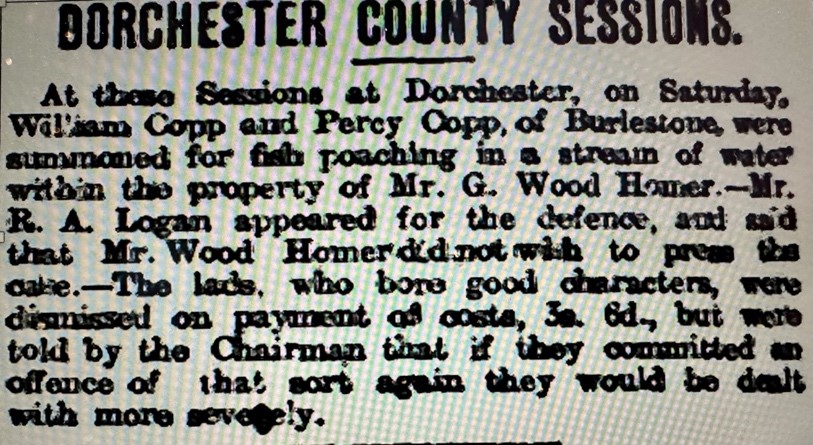
Born in May 1891 in the parish of Whitchurch Canonicorum, Dorset, Percy was the third son of Georgina, and William who worked in the local farming community as a butcher. He had two older brothers William (1886), and Wilfred (1888) and a younger brother Reginald (1893). He was christened in June 1891 in the church at Stanton St Gabriel, Morecomblake, Dorset. By 1900 the family had moved to Burleston, Dorset a small rural parish on the River Piddle. There was no school there so Percy probably went to either Puddletown or Tolpuddle for his education. His father continued to work as a butcher in the local community, and at age of 14 his oldest brother followed his father’s footsteps as an apprentice. Percy enjoyed the country life especially fishing in the river who’s chalk stream conditions were ideal for brown trout. One day in 1905 while on an expedition with his brother William they were caught poaching on the property of Mr. G. Wood-Homer, luckily no charges were pressed, and he learnt a valuable life lesson that being on the wrong side of the law is no fun, I wonder if this moment had an impact on his future career choice.
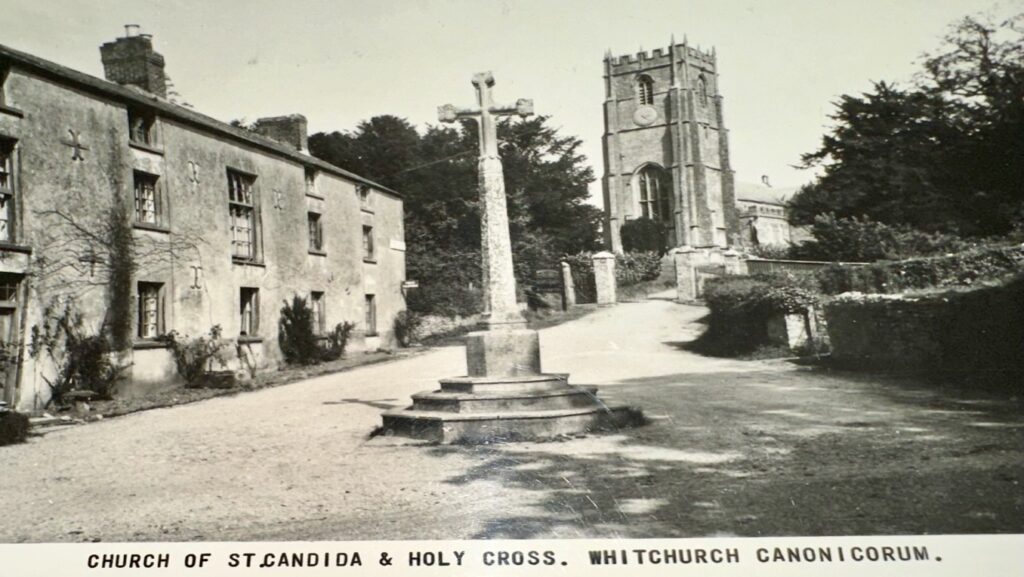
In May 1910 Percy was living back in Whitchurch Canonicorum and was confirmed at the church of St Candida and Holy Cross.
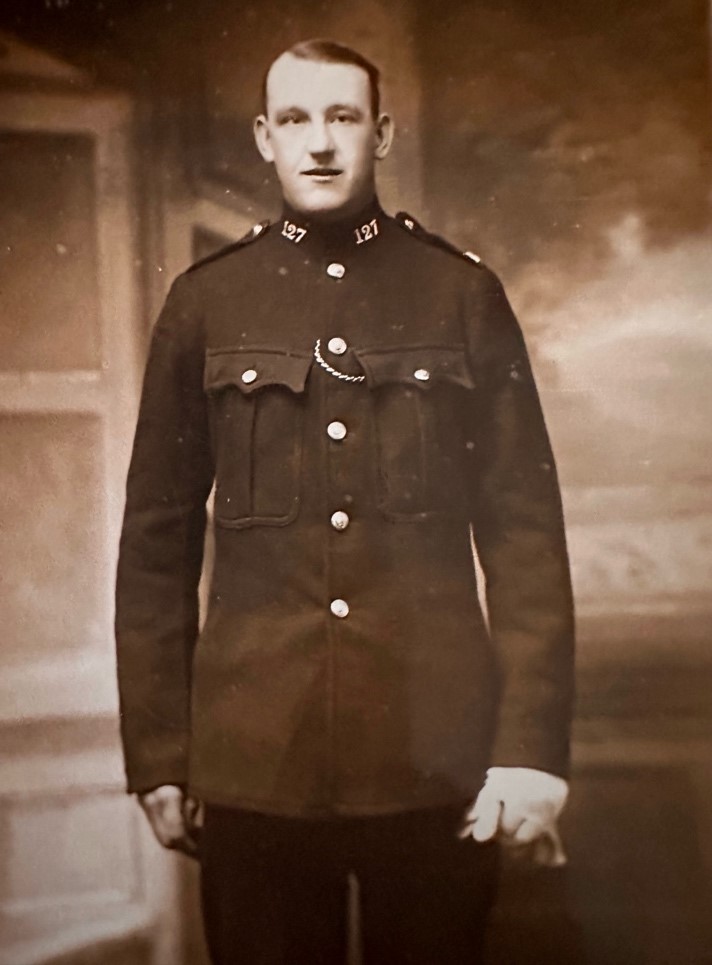
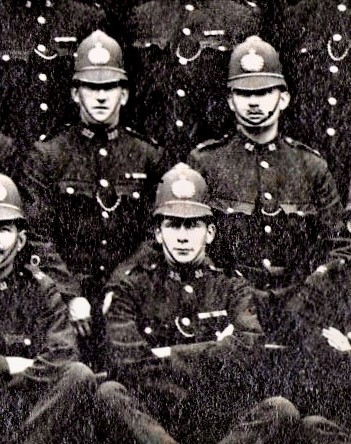
Percy decided not to follow his brother into the butchery trade and in 1911 he joined the Dorset Constabulary, little did he know then what the future had in store for him, over the next 25 years he would serve both community and country.
Dorset Constabulary Athletics Club 1911 – 1936
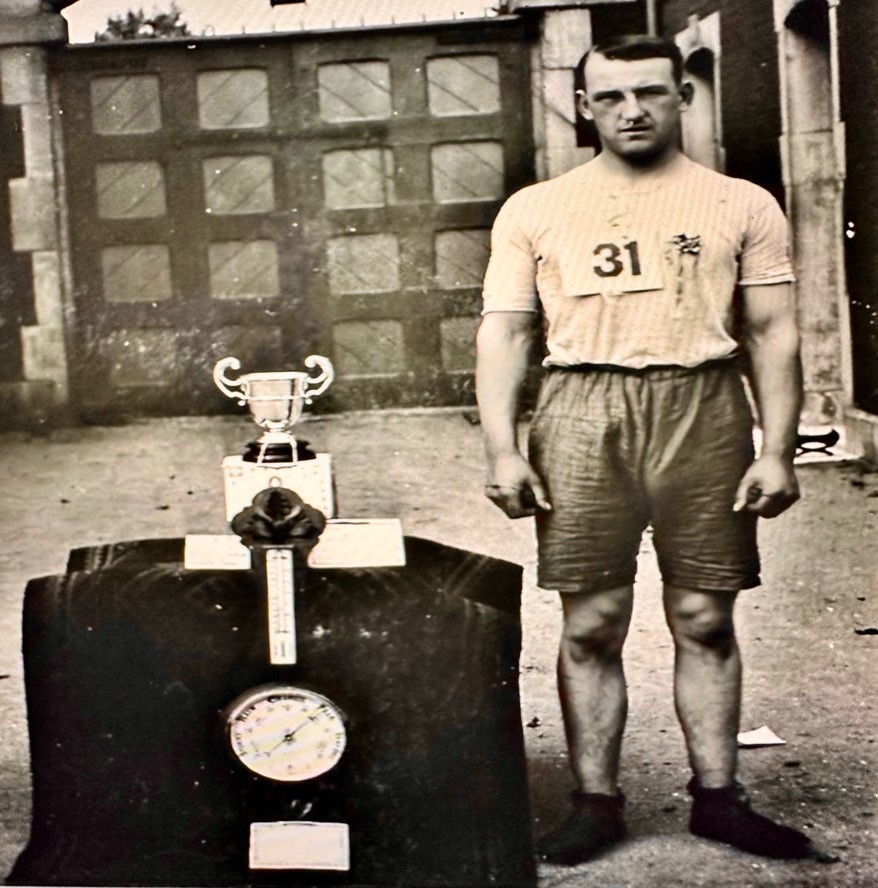
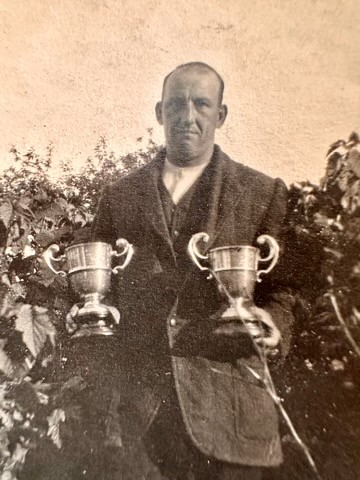
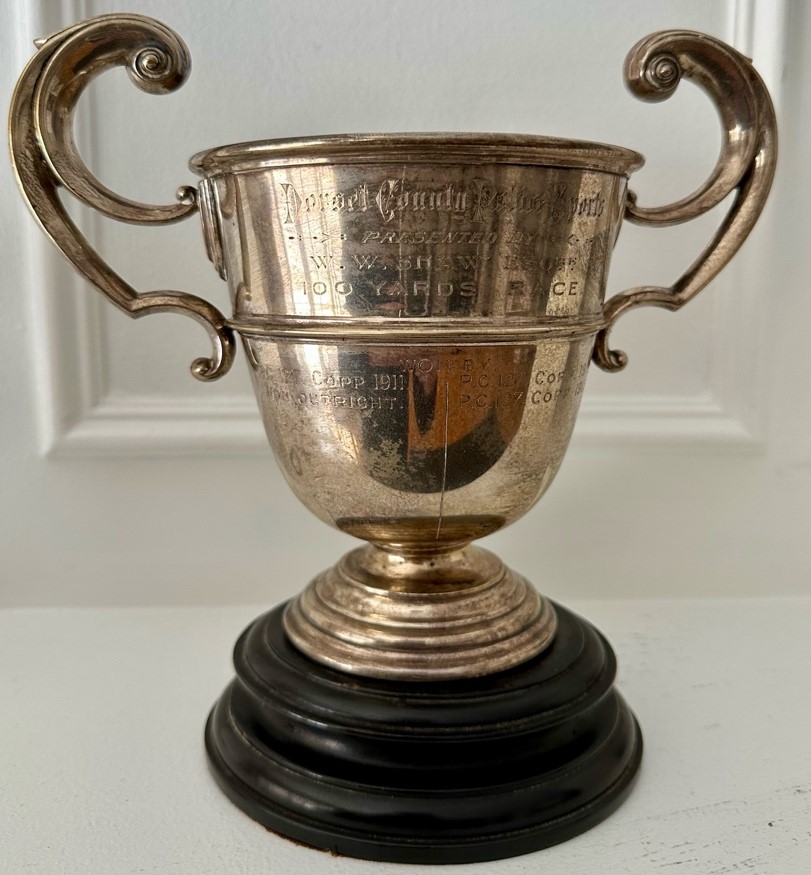
During his police service he was a member of the athletics club and was a first-class sprinter, carrying off the Dorset Police 100 yards championship more than once. So high was he rated that arrangements had been made for him to try conclusions with Applegarth the national champion over that distance, but World War 1 interfered with the plans.
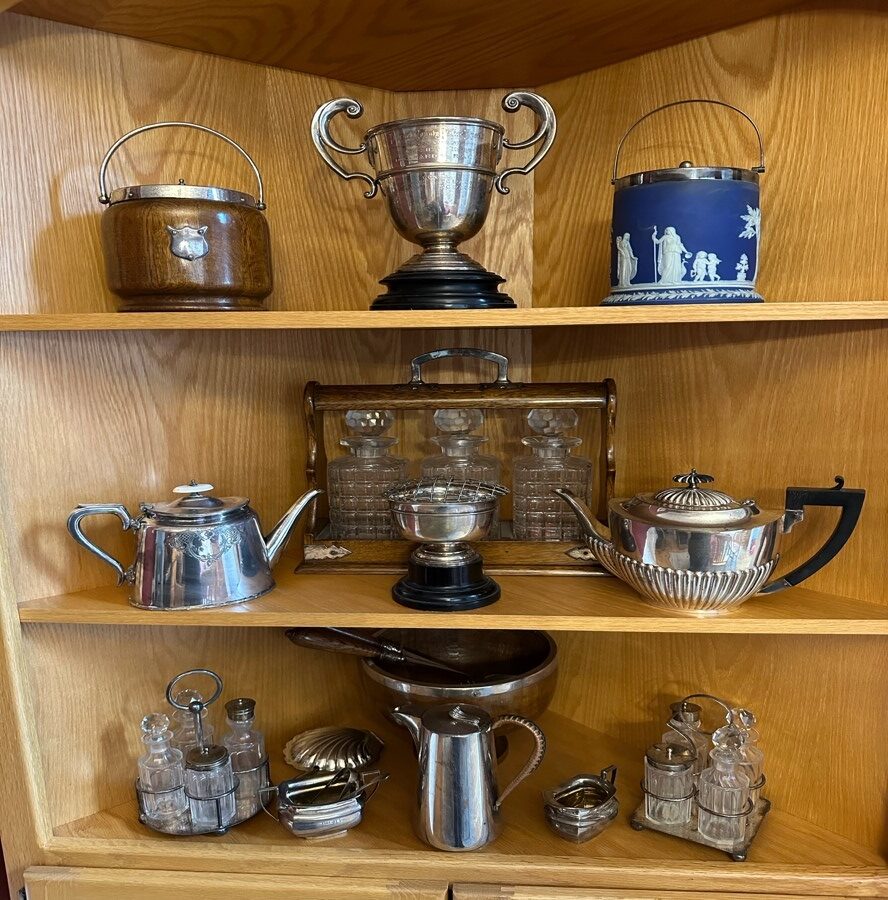
The 100 yards trophy along with other prizes he won remain in our family to this day.
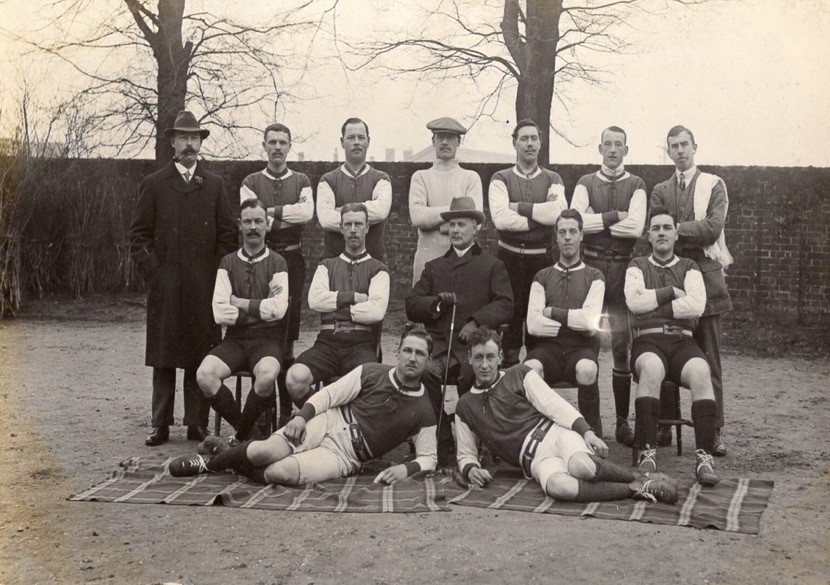
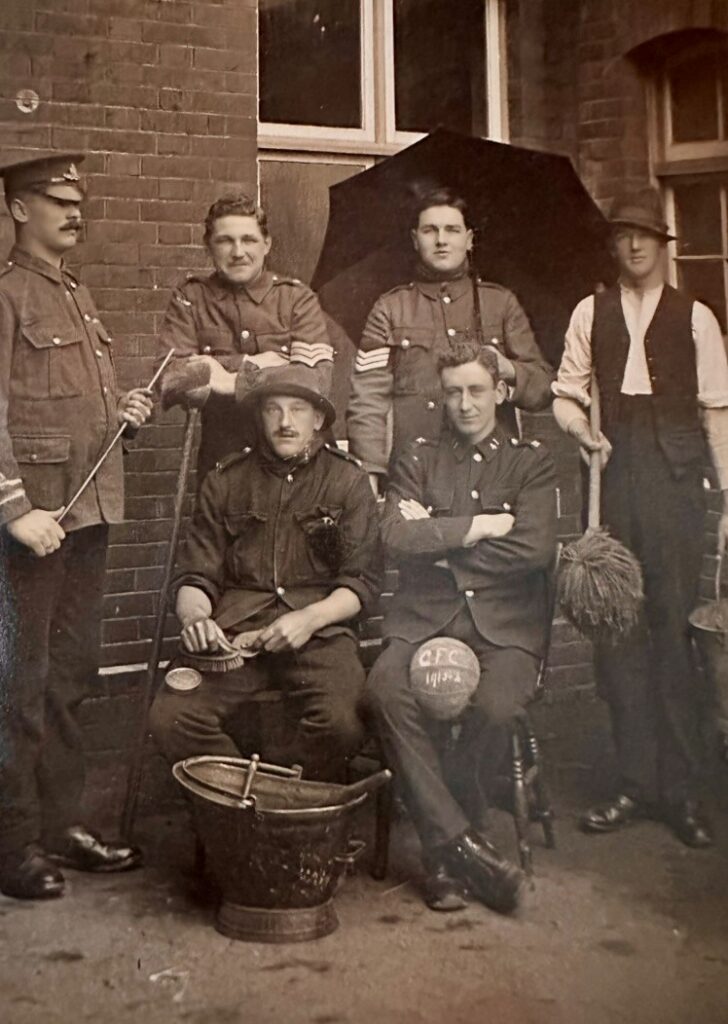
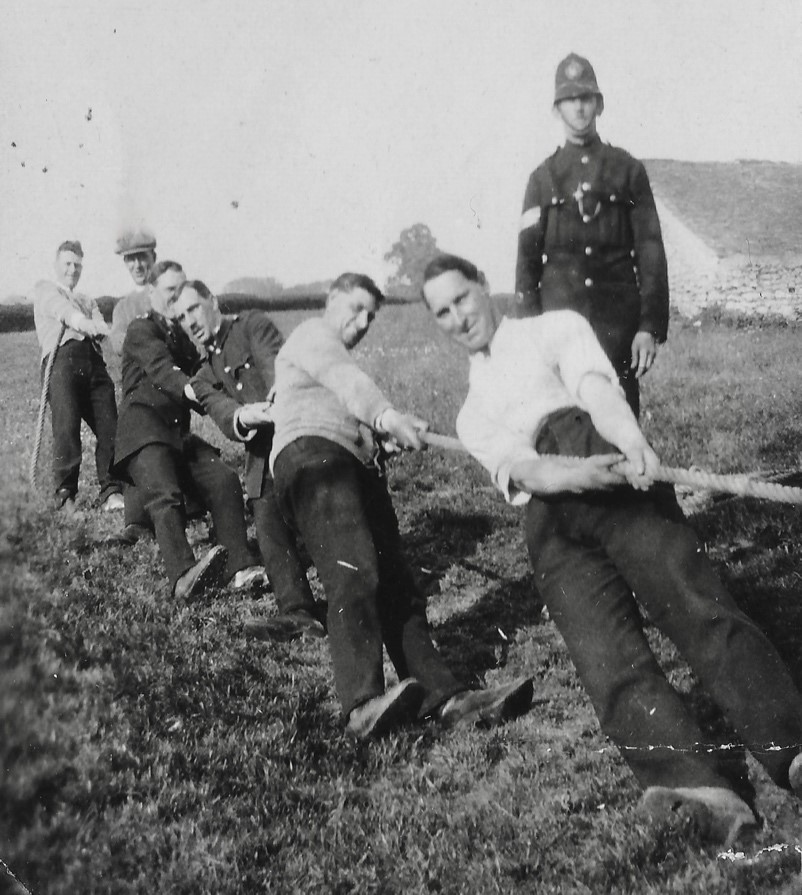
Percy also participated in other sporting activity
The above three photos show Percy in a football Team at Dorchester – Percy is in back row 2nd from right
Then we believe the 1914 Sports day – Percy Front Row 1st from Left
And a Tug of War team – Percy 2nd from back with cap on, but date unknown.
WW1 then started and Percy’s sports were delayed.
In May of 1915 he resigned from the police force to serve his country in WW1
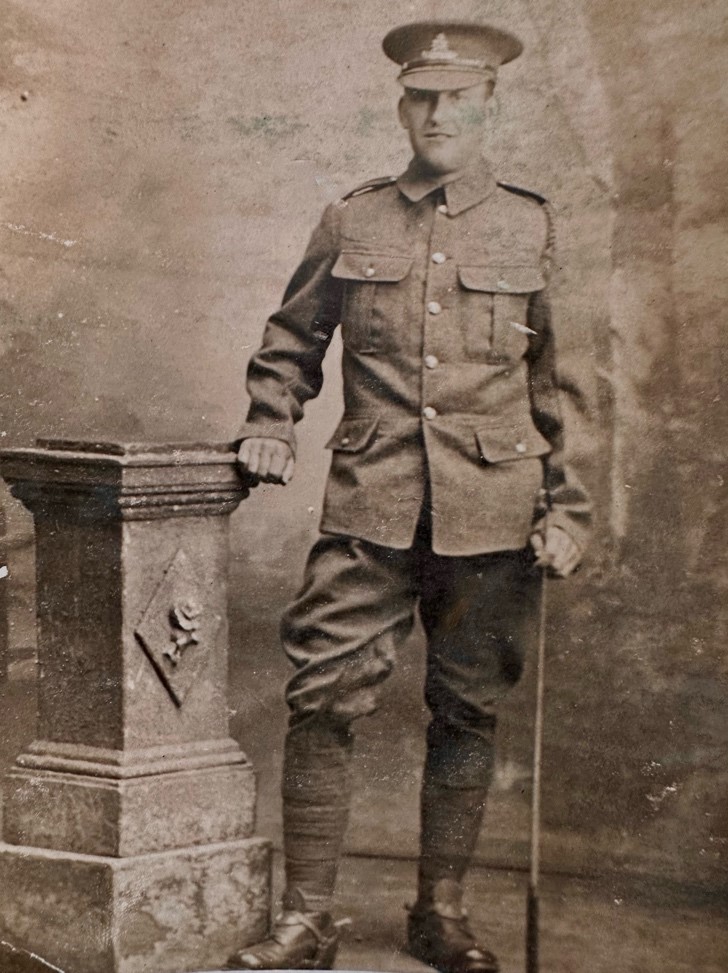
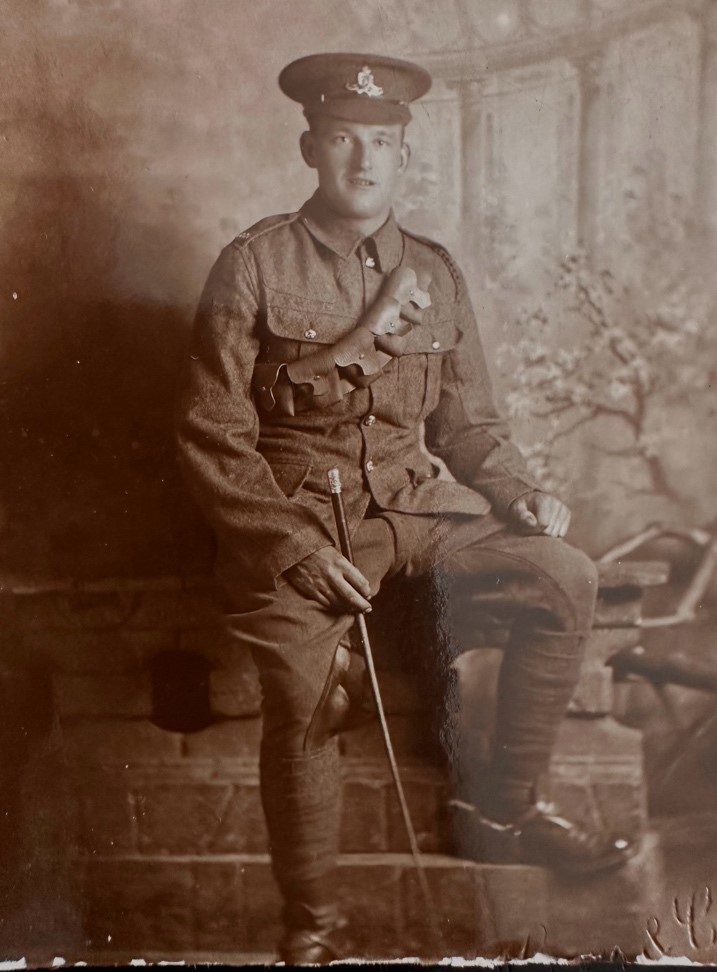
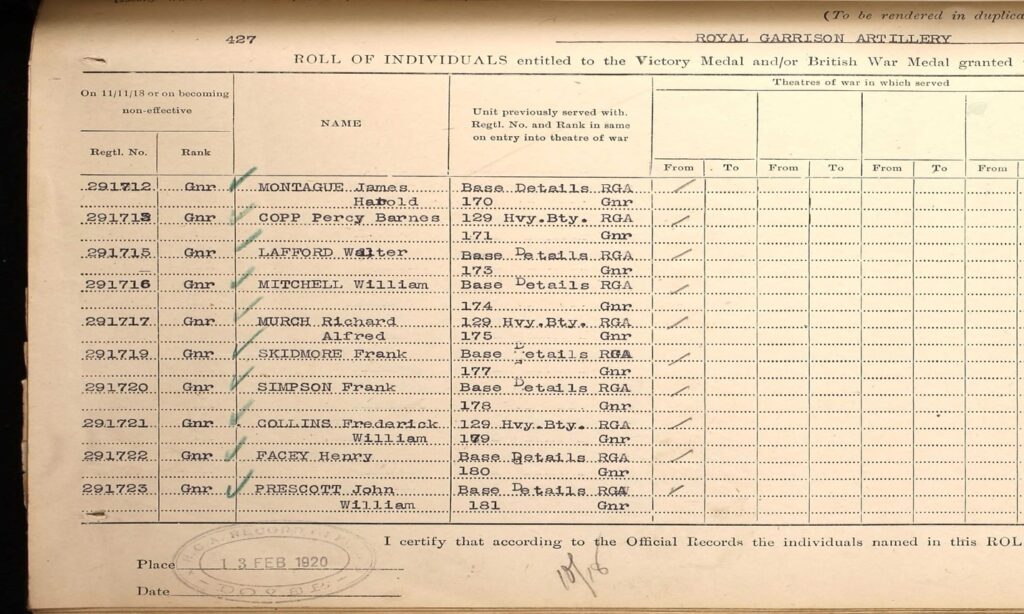
On enlistment he was given service number – 171, and in 1917 – 291713, he trained as a gunner, and was assigned to the Royal Garrison Artillery (Bristol) 129th Heavy Battery
The 129th operated heavy guns (typically 60 pounders) and served on the Western Front. Heavy Batteries were used for counter-battery fire, bombardments before major attacks, and long-range fire against enemy positions. The battery served with the British Expeditionary Force (BEF) on the Western front spending a long period in the Vimy Ridge area, including the 1917 battle, then saw action at Messines and Ypres (Passchendaele). It fought against the German Spring Offensive and took part in the Allies victorious Hundred Days Offensive. After the Armistice on 11 November1918, the 129th took part in the occupation of Germany with the British Army of the Rhine until it underwent demobilization early in 1919, Percy was back home by mid-February 1919.
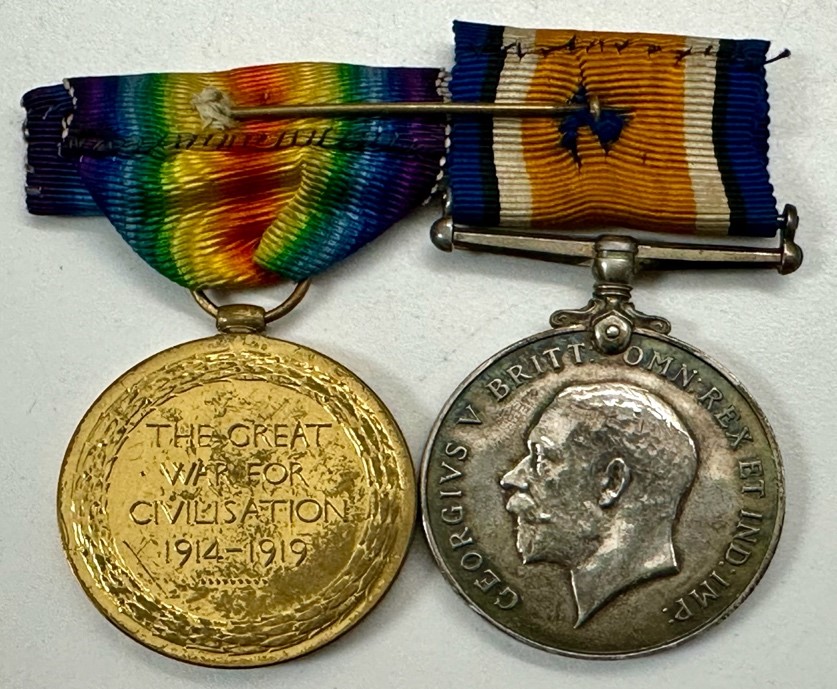
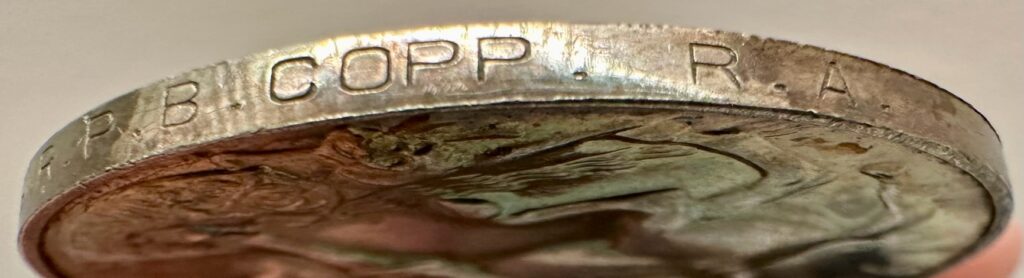
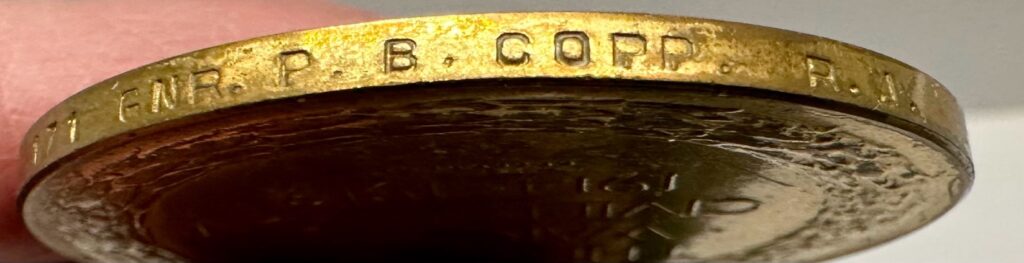
He was awarded the British War Medal and The Allied Victory Medal for his service.
British War Medal (1914-1920) Silver Medal, The Allied Victory Medal (1914-1919) Bronze Medal
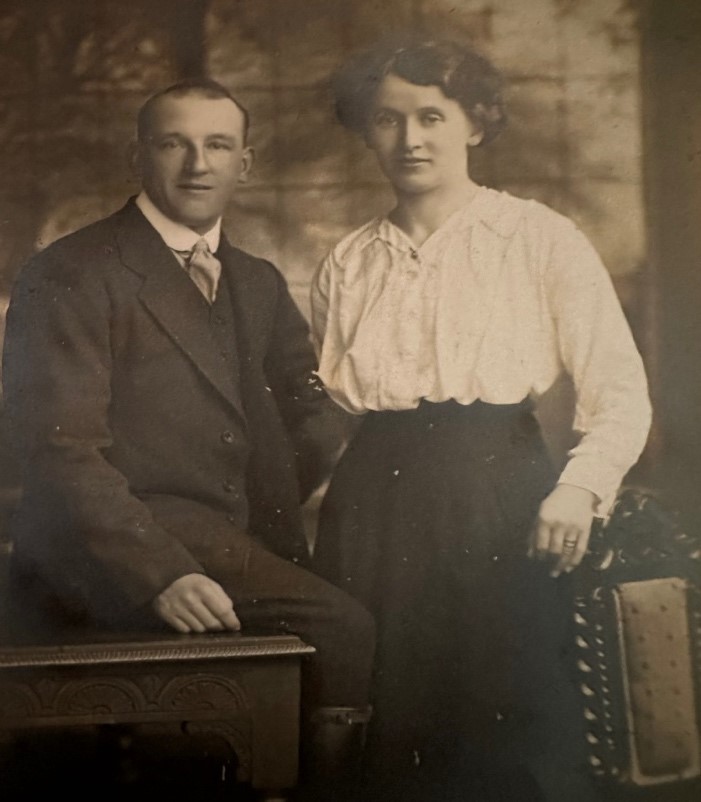
Upon his return from WW1 in February Percy rejoined the force and was stationed at Dorchester. He then married Sarah Ruth Jeanes on 08 May 1919 at The Church of St Mary in Piddlehinton, Dorset.
Sarah came from a large family in Piddlehinton, Dorset she had four sisters and three brothers
In May 1921 Percy was part of the Dorset Constabulary contingent dispatched to Tonypandy, South Wales during the 1921 Miner Strike, he returned in July after being away for 9 weeks. Luckily, he had very little to do and saw no action.
On October 16th, 1922 – their son, William Henry Copp (Bill) was born (My Dad) in Winfrith Newburgh
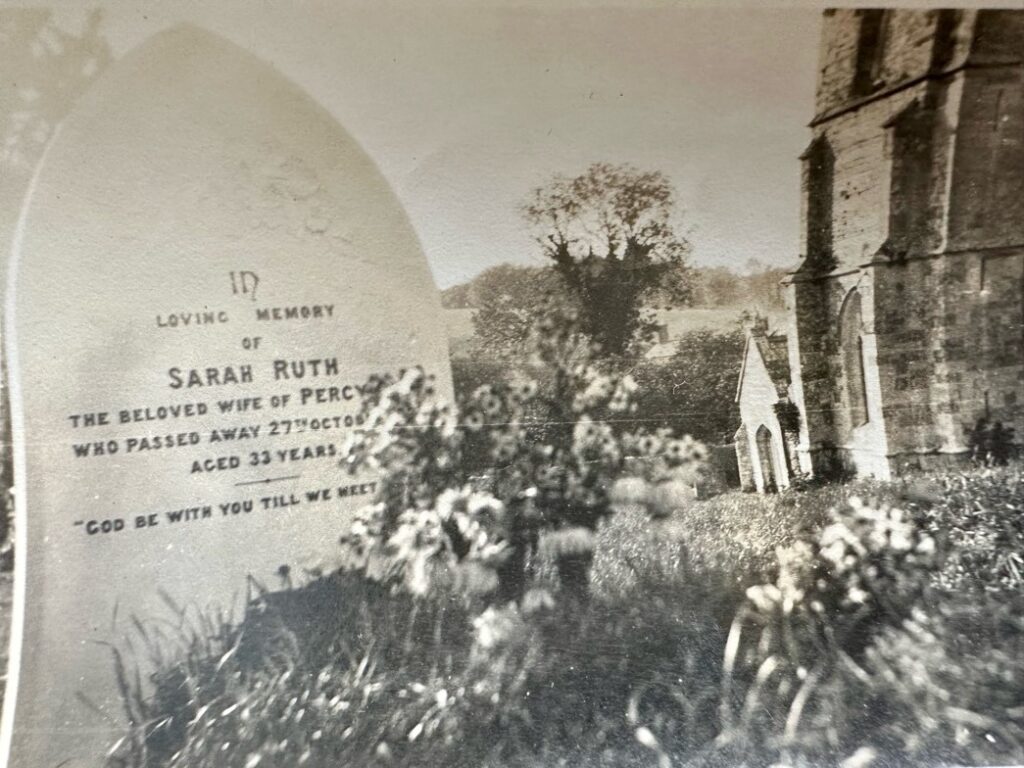
Unfortunately, on October 27th 1922, Sarah died due to childbirth related causes, she is buried at The Church of St Mary’s, Piddlehinton, Dorset.
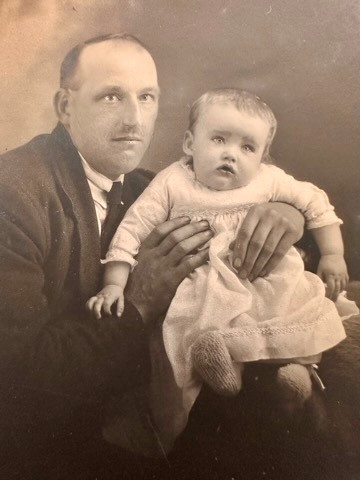
Life was difficult to manage for a single father in those days and Bill lived most of the time with his grandmother until he was 14. Bill grew up in the Chapel Hay area of Weymouth and went to the Holy Trinity school.
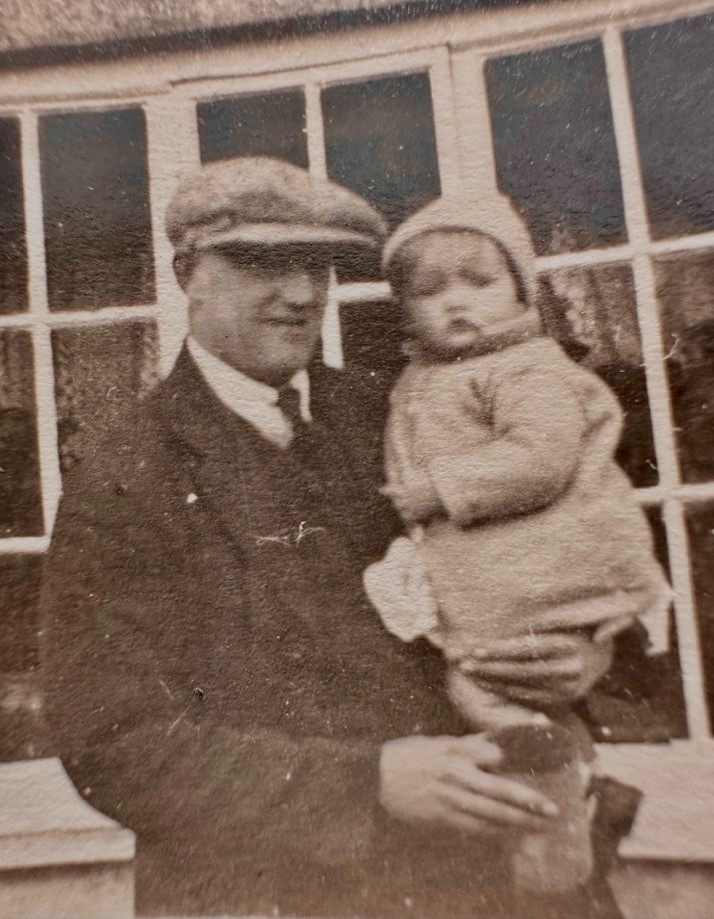
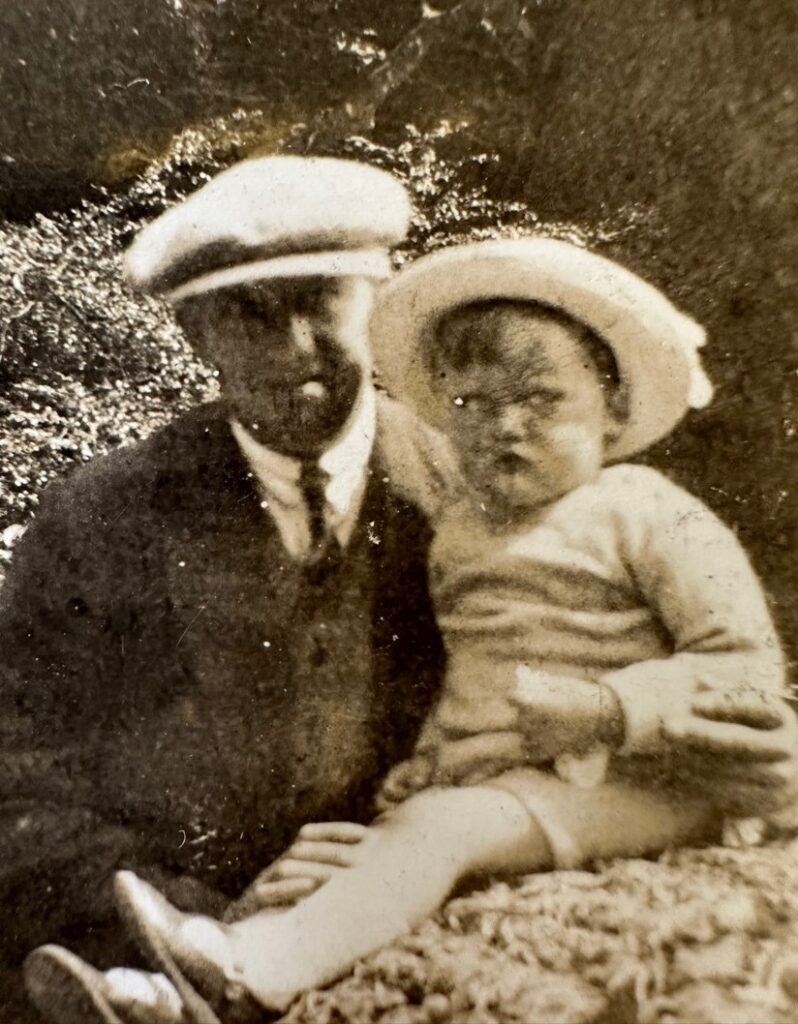
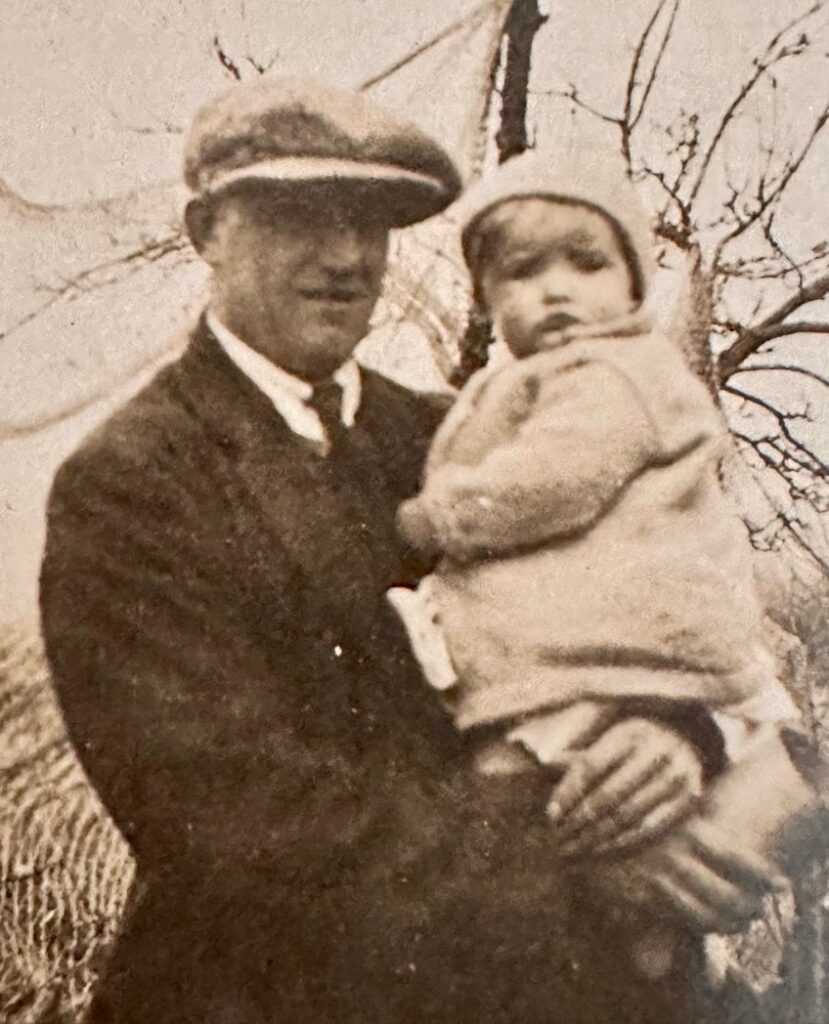
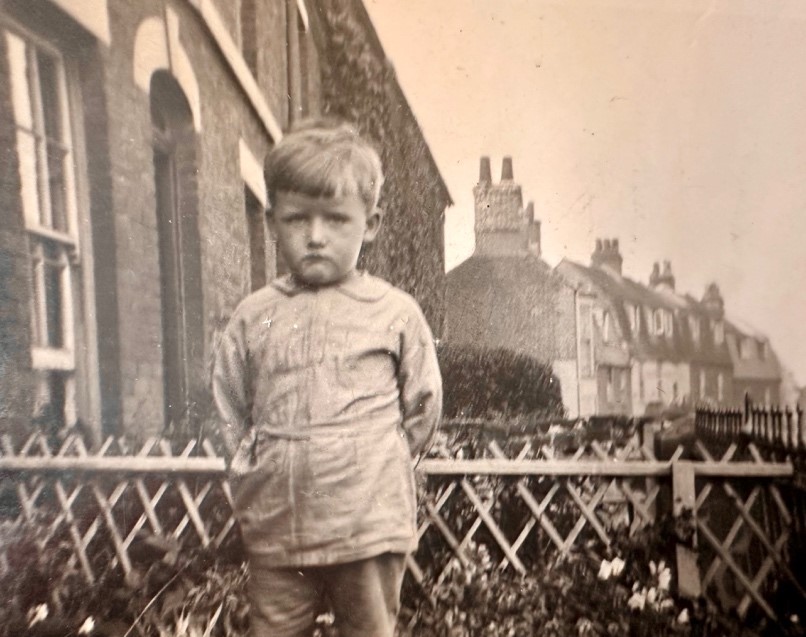
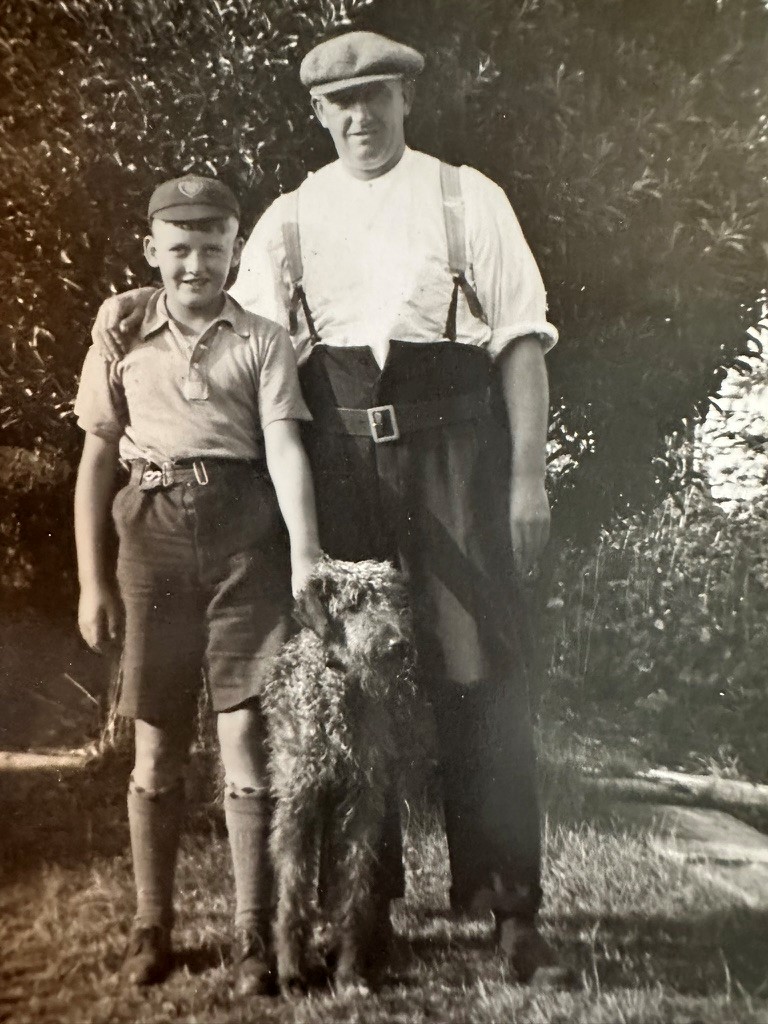
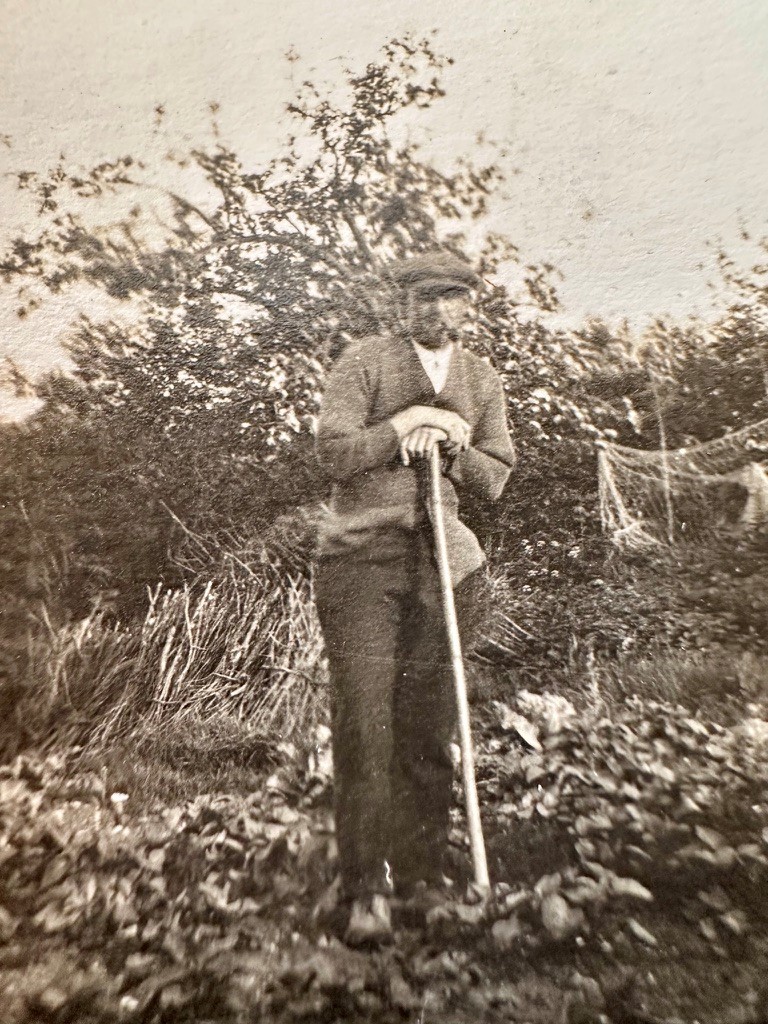
Here are some photo’s of Percy and Bill in the early 1920’s.
Nearly 4 years later Percy found love again and on August 23rd, 1926 he married Emma Susan Mills at St Candida’s Whitchurch Canonicorum. They were married for 32 years until Percy died in 1958, they did not have any children. I grew up knowing her as, “Em” my grandmother, she was a beautiful kind woman, a great cook and always made a great fuss when we visited Weymouth from Swindon. She came from a large family (Mills) who lived in the Morecombelake area, I have fond memories of meeting her three sisters, but I don’t remember any of her five brothers. Even in her 80’s she would walk into town to buy Hurdle’s sausages for me as she knew they were my favorite, when she died in June 1977 it was the saddest day of my life. We did not have a phone at our home, and I remember a policeman knocking on our door to give my father the news. When my father sat me down to tell me he revealed that she was not his real mother and told me the story of what happened to Sarah, a secret he had kept from me for over 19 years, we never spoke about it again.
As the years have gone bye I have always wondered if Sarah’s death was the reason that Em and Percy did not have children, and whether this extended to my mum and dad as they chose to adopt me. I knew my family kept secrets as my Mum and Dad did not tell me that I was adopted until one Sunday morning in 1966 when they found out another child had been taunting me that they were not my real mum and dad, and my other grandfather (my Mum’s dad) was never discussed, that’s a story for another day.
In October 1926, Percy was again dispatched to deal with a Miners Strike in Tylorstown South Wales. The men travelled by train from Dorchester to Bristol, then on to Cardiff where they disembarked and marched through the cobble stone streets of the city to board the Taff Vale Railway train to the mining area of Abercynon. They were billeted here before proceeding on to Tylorstown in the Rhondda Valley.
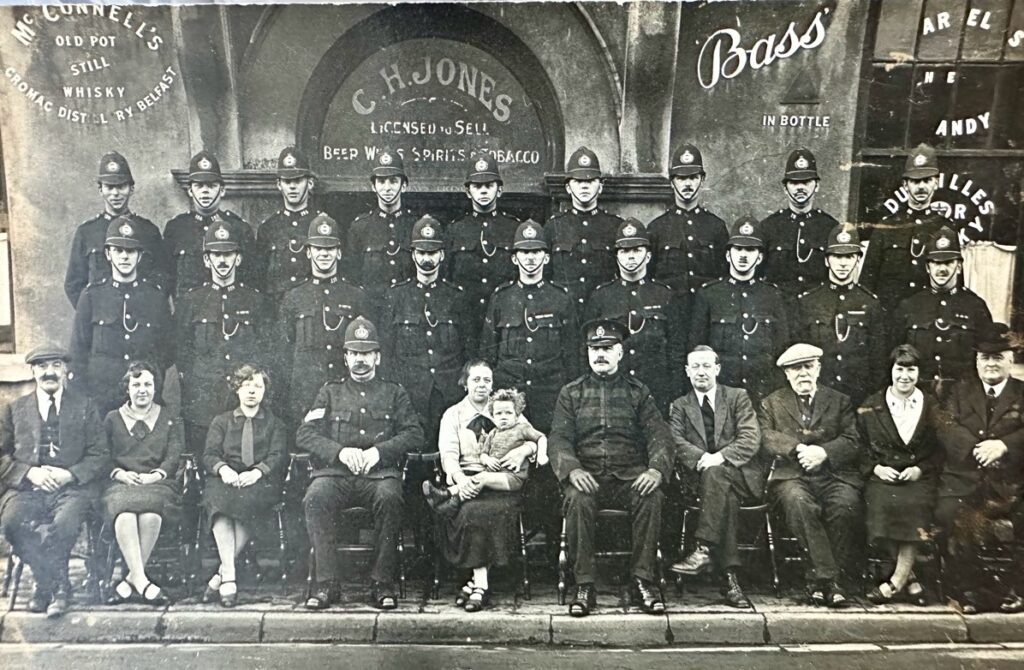
On arrival in Tylorstown they were billeted in the Duke of York public house and after research I have identified that this photograph is taken outside the Hotel.
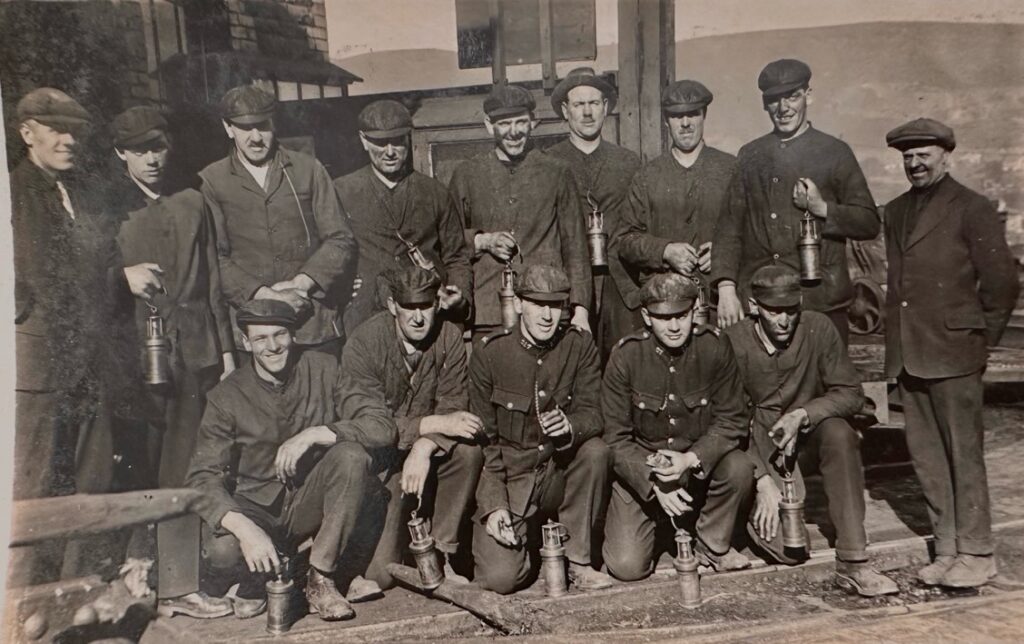
The Dorset police were assigned along with the Glamorgan personnel to act as bodyguards to the “black leggers” and devious methods had to be arranged to get them home each day in safety. On occasion the police changed routes, walking the “black leggers” through various mine shafts and came up by different cages to the surface, even so they still faced the strikers and the whole scene was very dangerous,
This photo may be of one of those devious occasions, the “white faces” are assumed to be policemen, or mine foremen, the others, mineworkers under their protection. At this point Ian Swatridge has identified the following personnel, Percy Copp front row 2nd from left, next to him Percy Grinter, then Victor Swatridge, in the rear row 6th and 7th from right are William Burrough and Frank Norris.
In addition, the men were on guard day and night at the “black leggers” home (below), where half a dozen men did duty on four-hour shifts inside and out. Over three hundred and ninety arrests for various offences and cases were dealt with in court over several weeks, and the men were glad to return home in early December.
A seperate post is written about the Miners strikes, so more detailed accounts can be found.
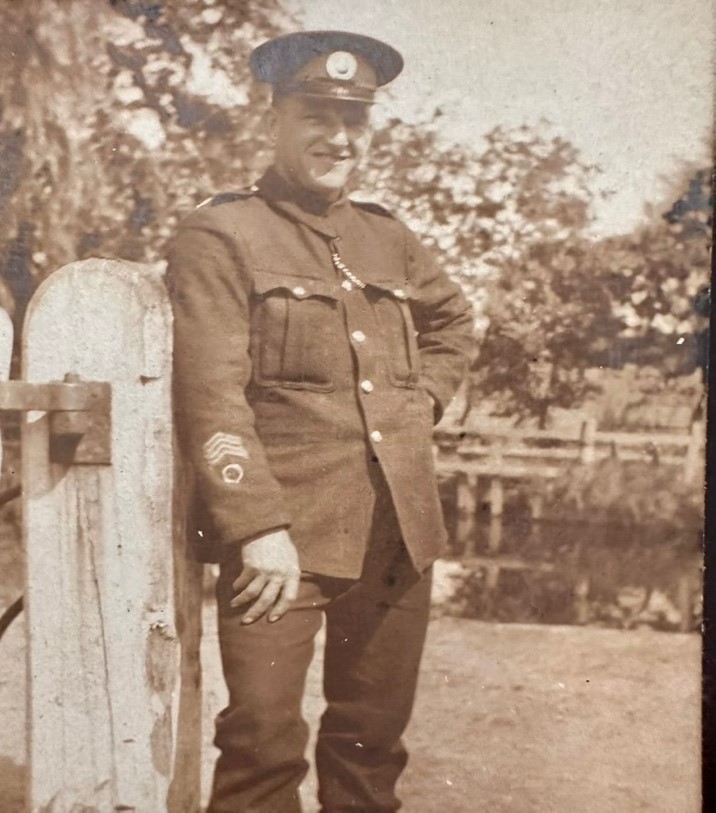
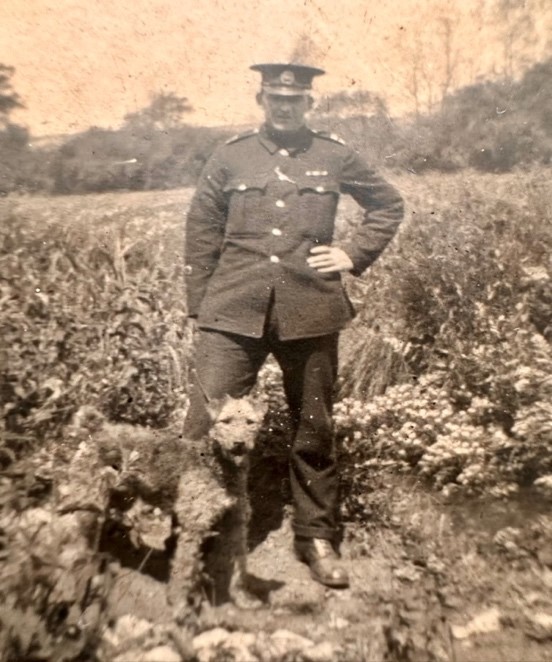
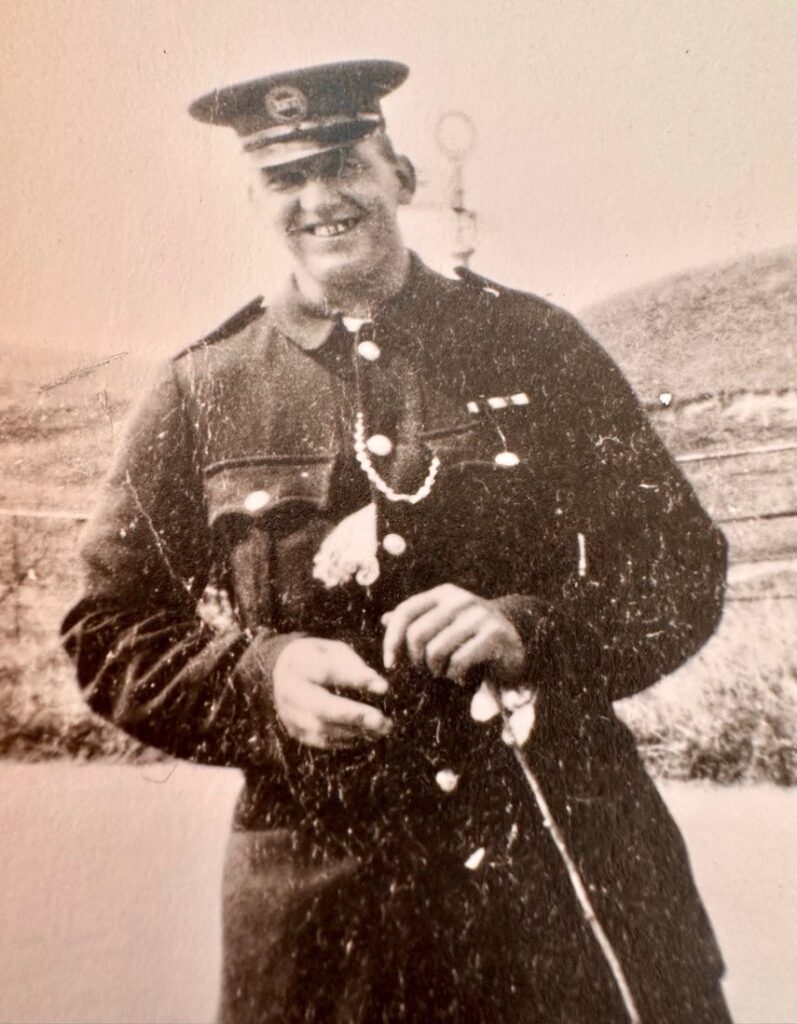
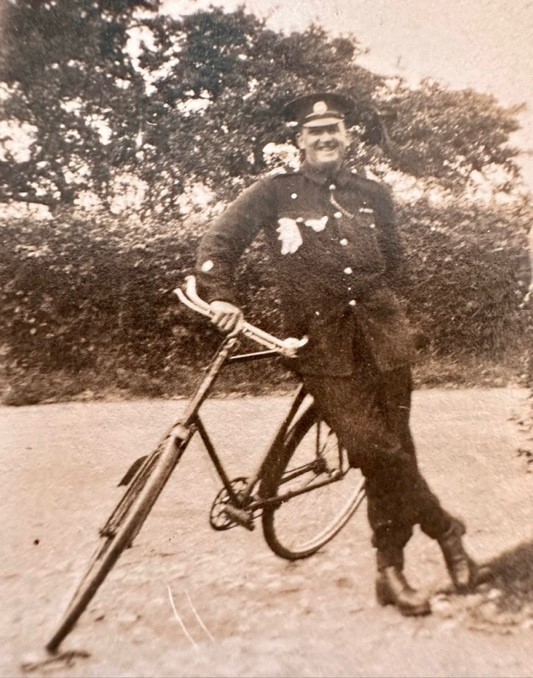
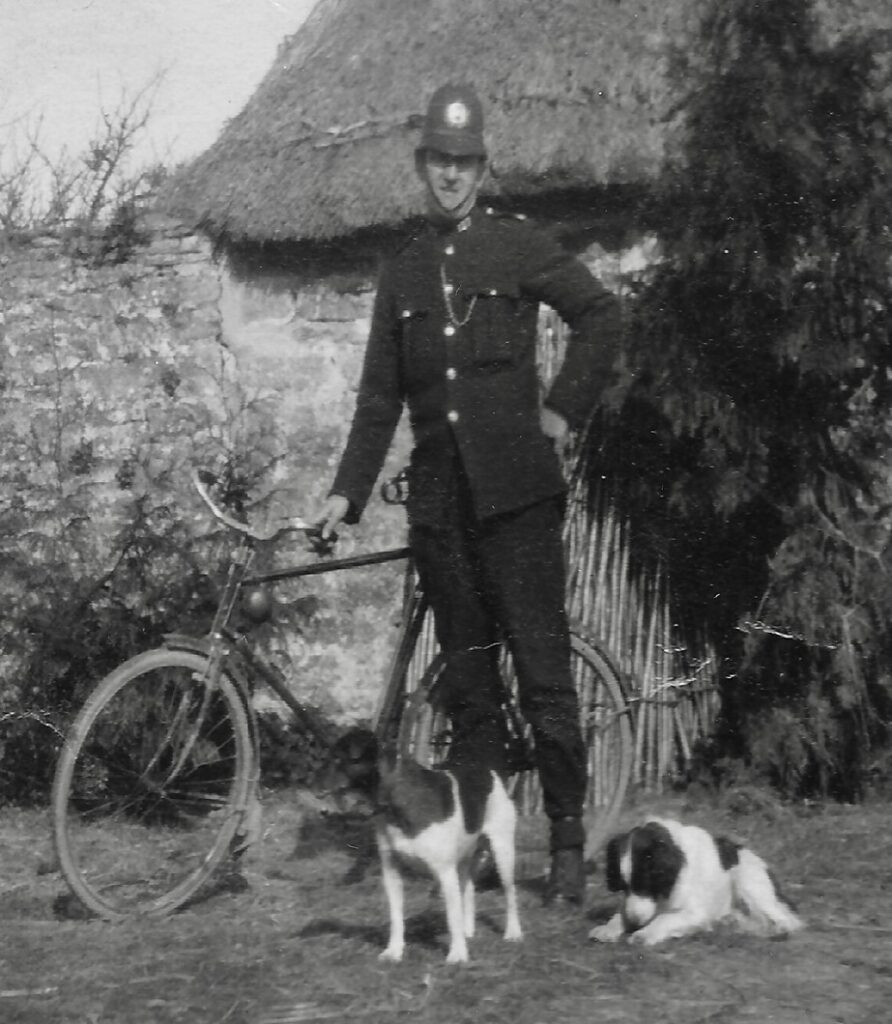
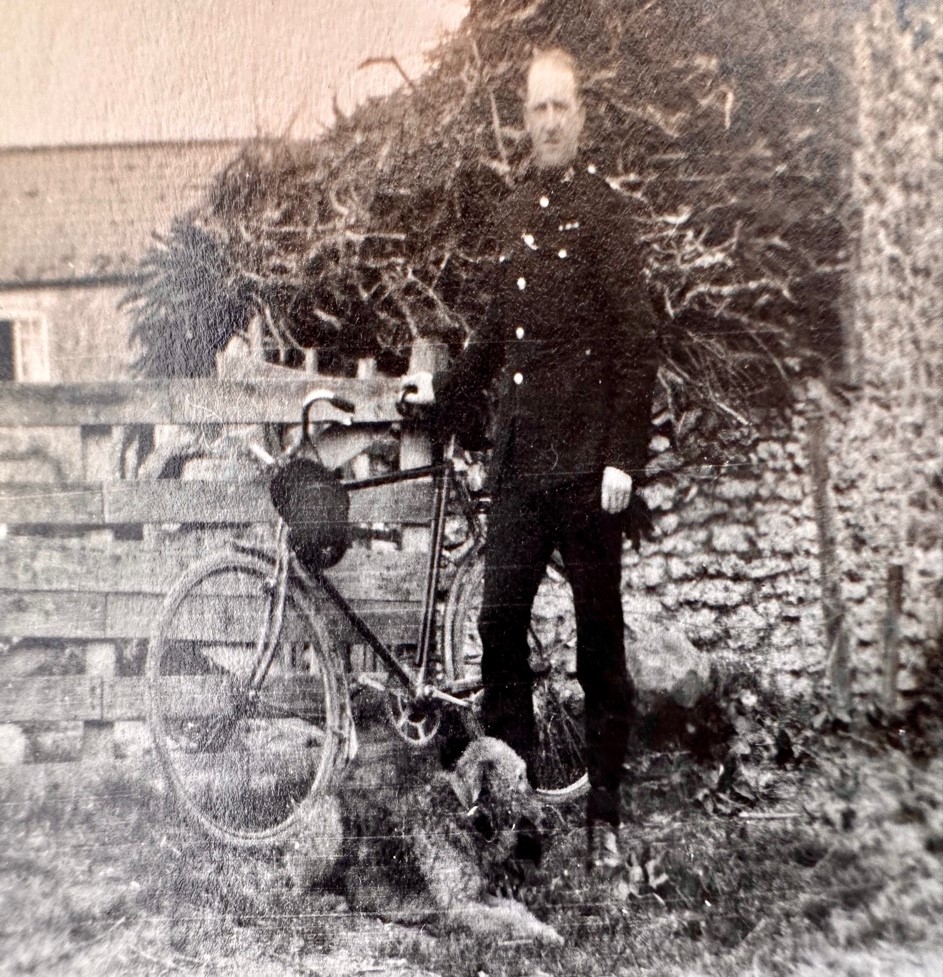
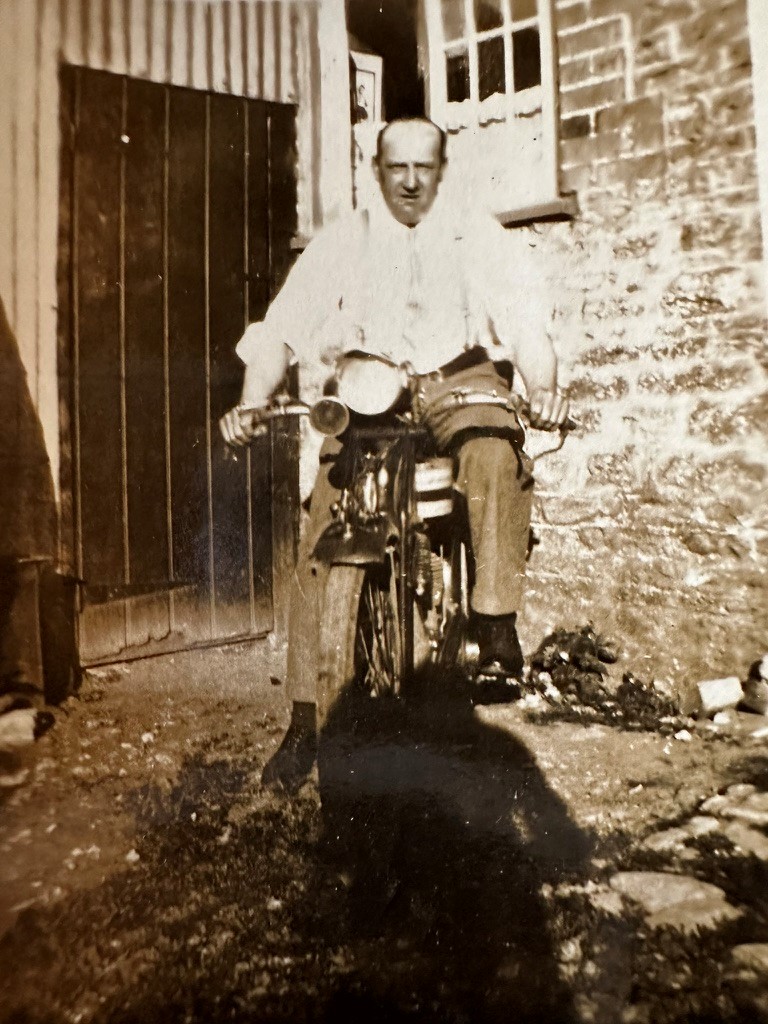
According to Electoral Registers, Percy lived and served in the following places from 1914 – 1930 Dorchester (1914 and 1915), Winfrith (1922 and 1923), Puncknowle (1924), Abbotsbury (1925), Long Bredy (1926), Yetminster (1927 – 1930), and Portland (1932-1935) Following are some pictures from those days.
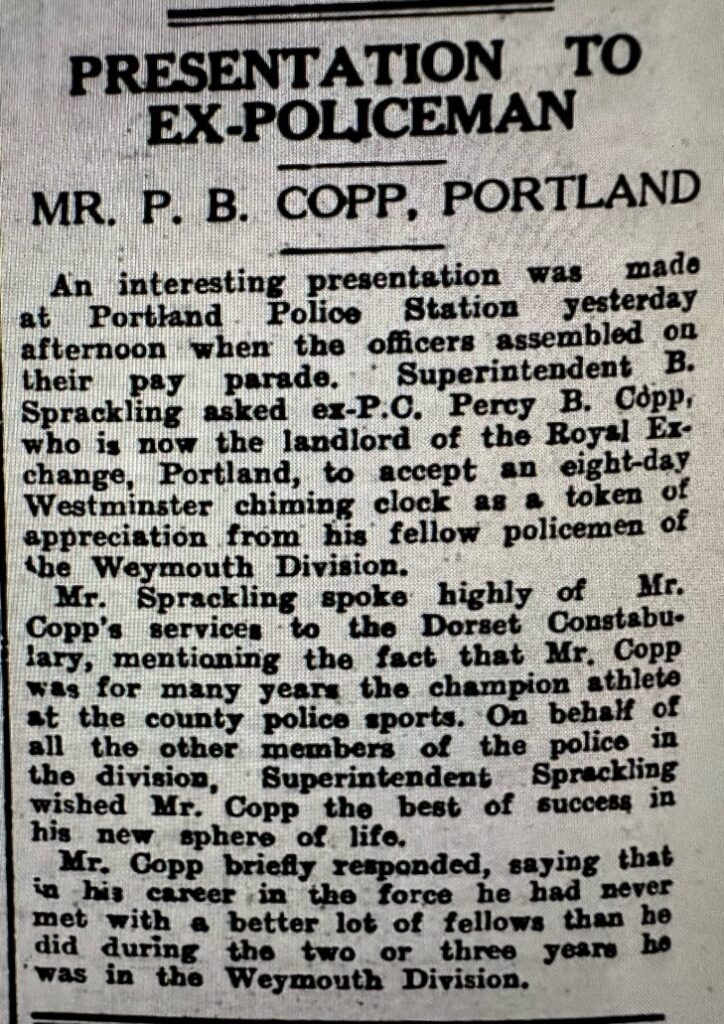
In 1936 January, Percy retired from the police force and it was reported in the Dorset Echo.
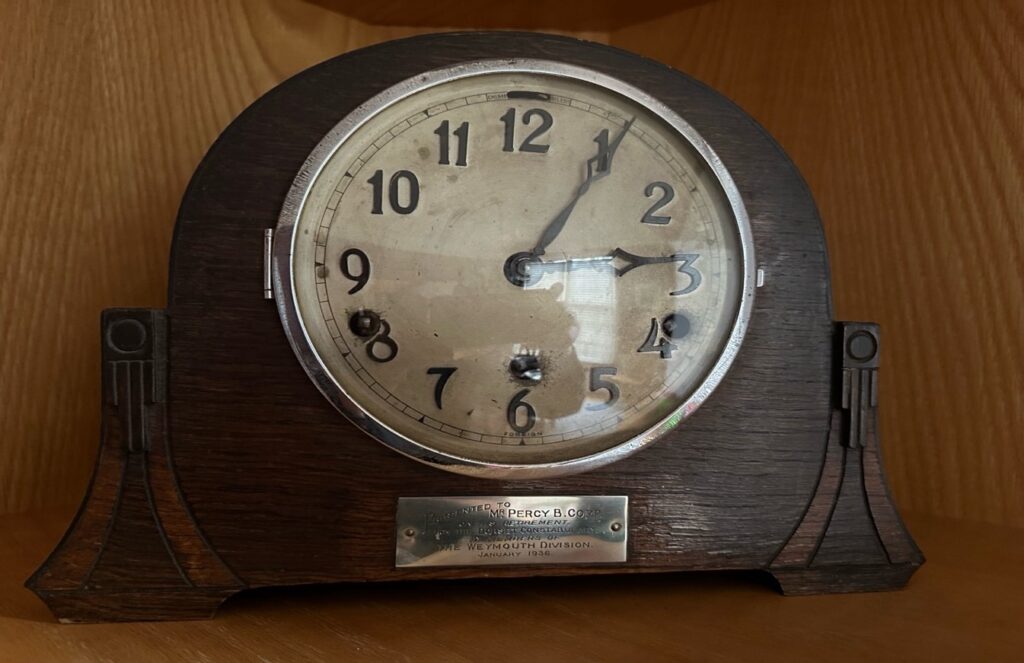
Here is the Westminster Clock he received on retirement.
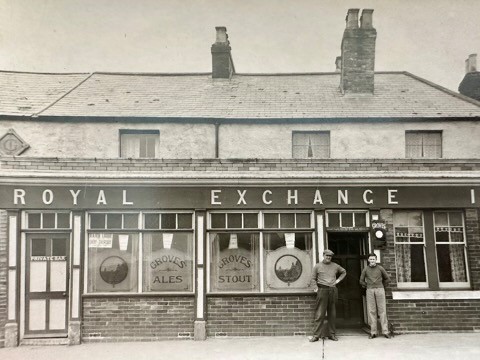
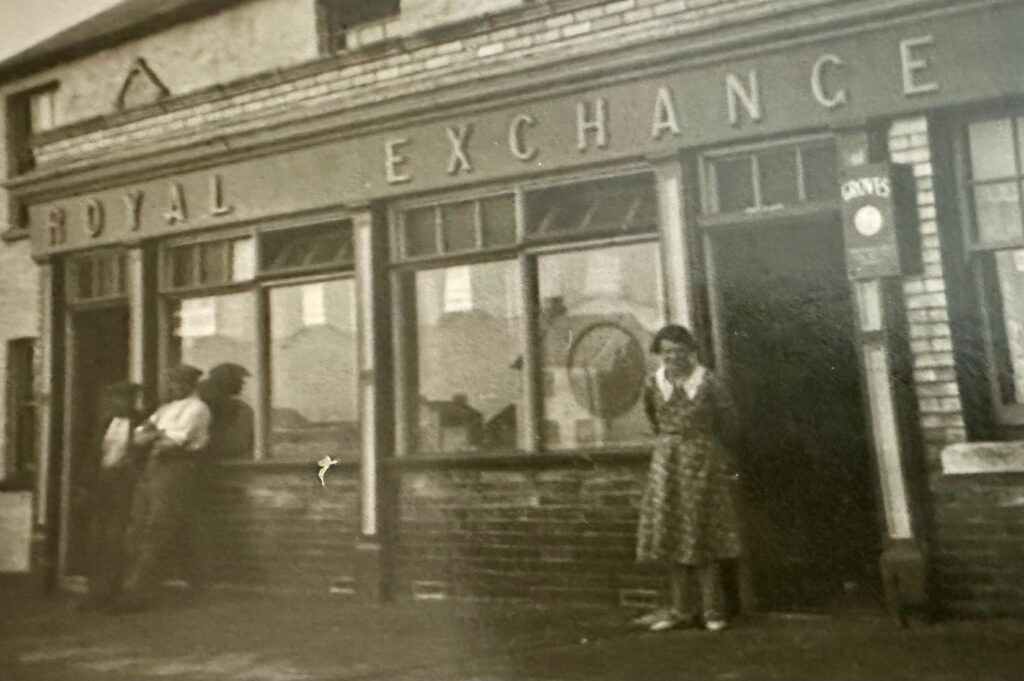
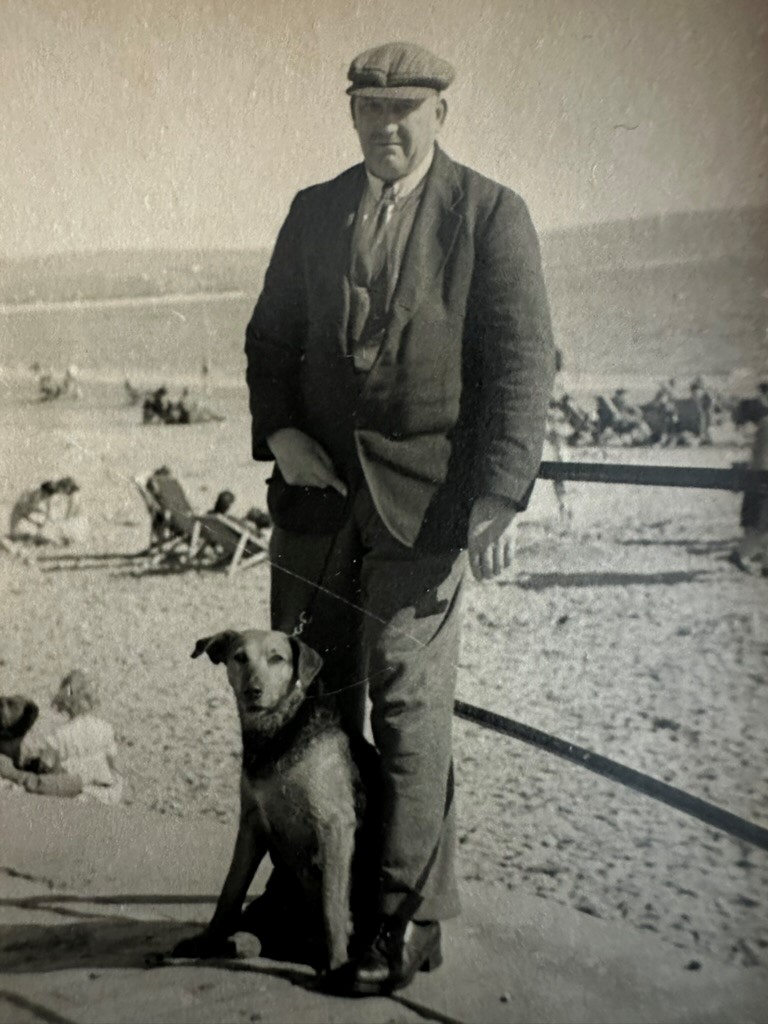
1936 – On retirement Percy became licensee of the Royal Exchange Inn, Weston, Portland, he is pictured here outside the pub with Bill (14), and below with Em.
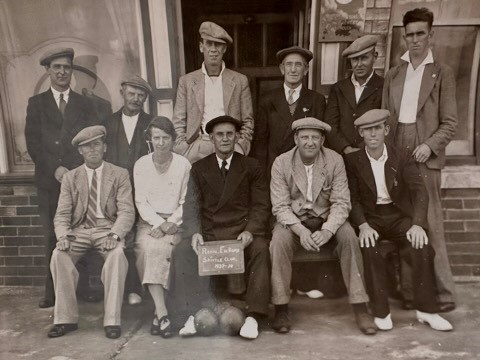
The Royal Exchange Skittles Team 1937-1938.
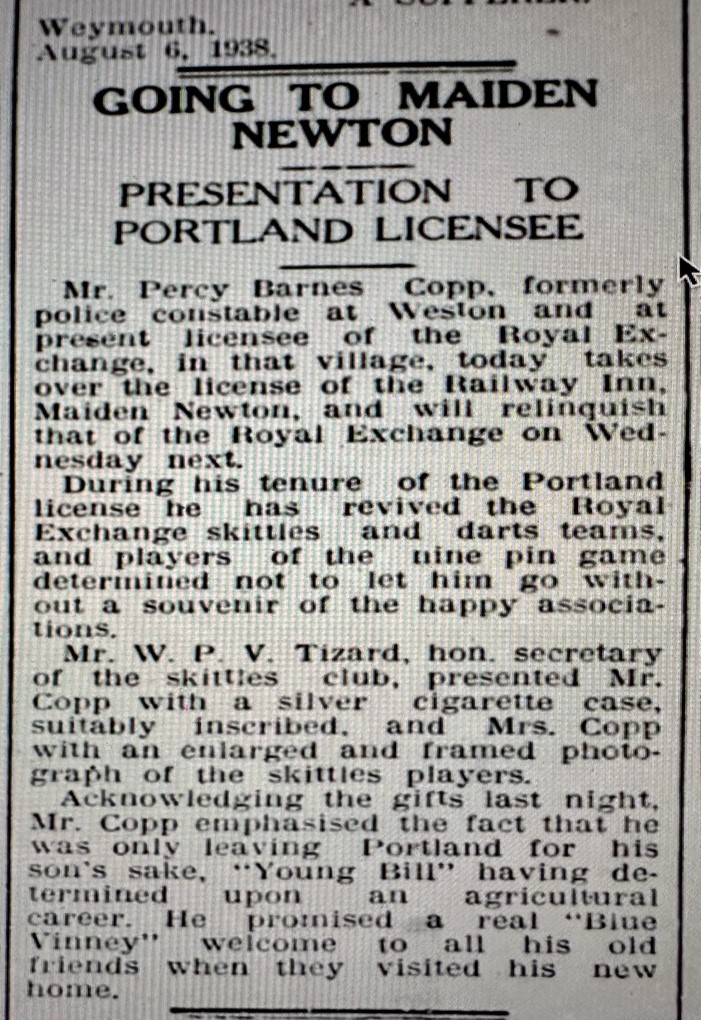
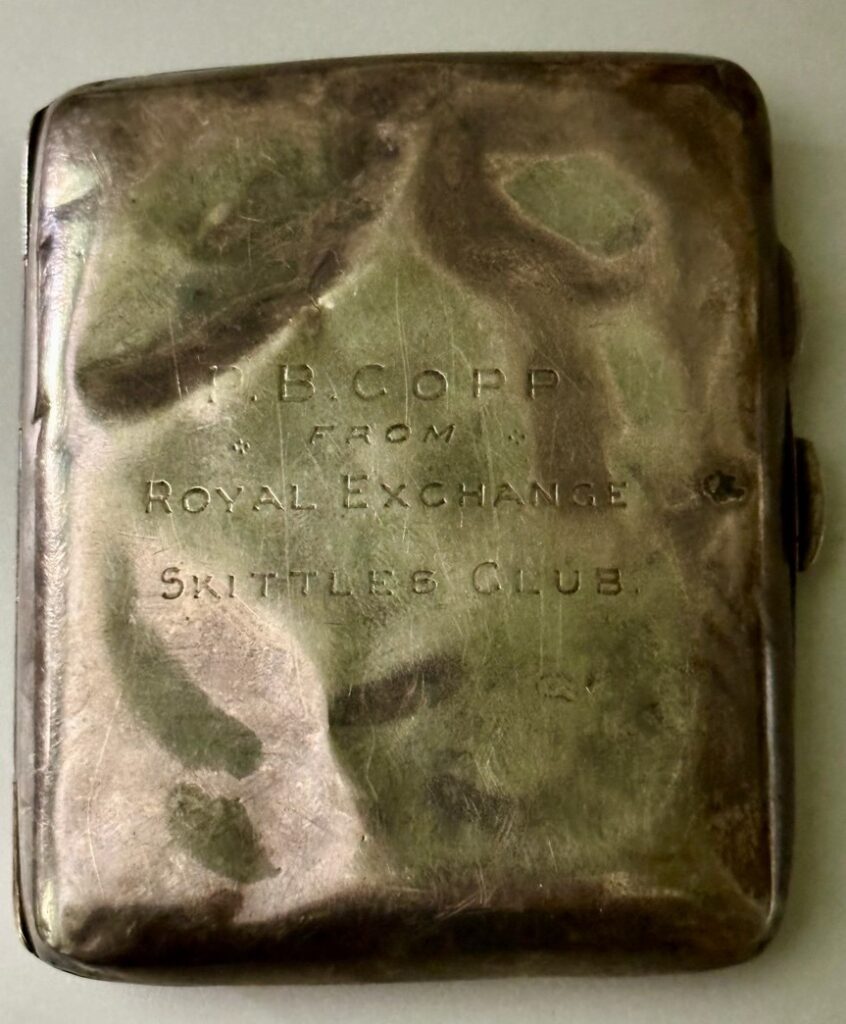
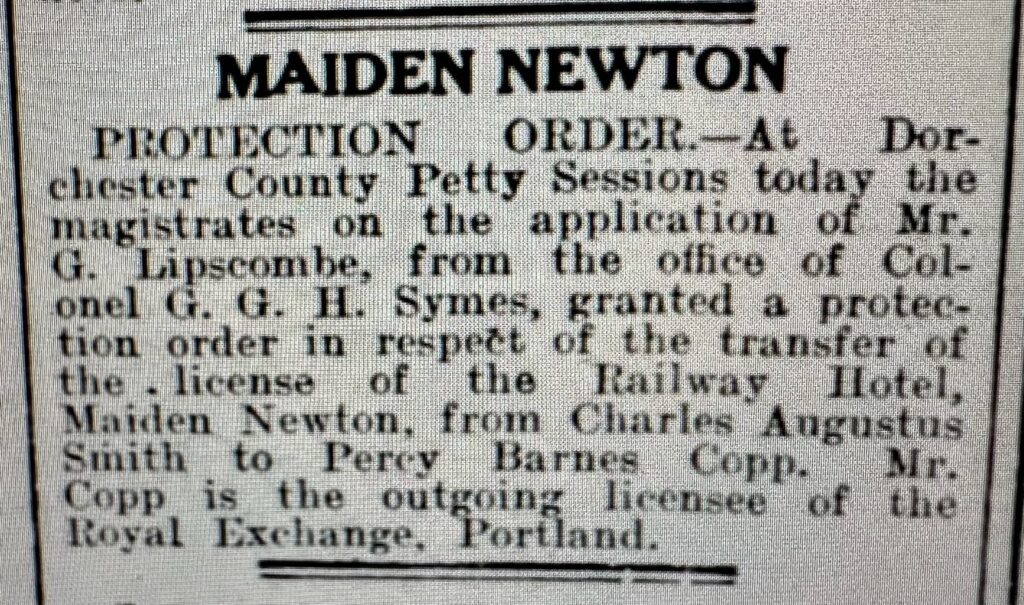
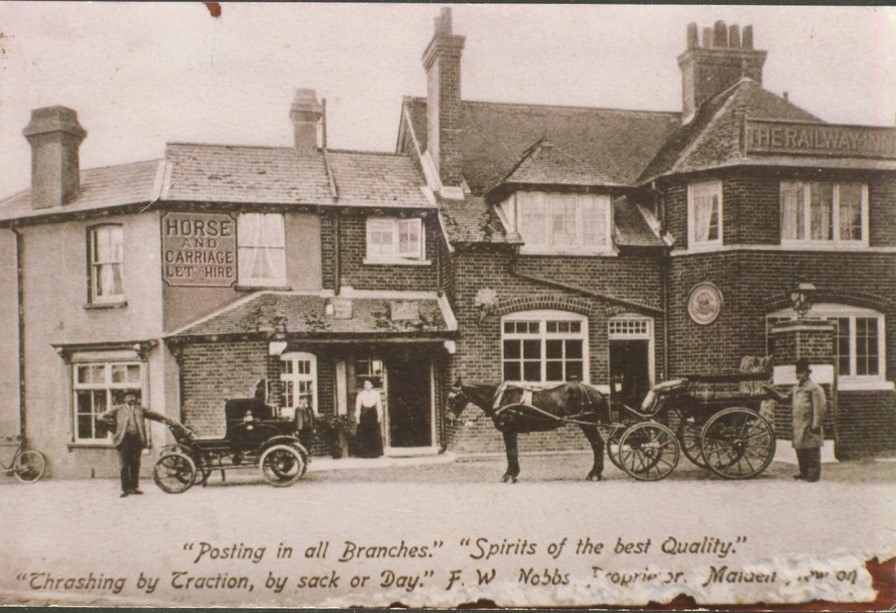
In 1938 August, Percy left the Royal Exchange to become licensee of the Railway Inn Maiden Newton it was reported in the Dorset Echo, he received a silver cigarette case from the skittles team
Dorset Echo – Saturday, October 1, 1938 – Percy becomes licensee of the Railway Hotel Maiden Newton – Bill (15) worked there as the errand boy.
When leaving Portland for Maiden Newton, Percy cited the reason was that “Young Bill had determined an agricultural career” however, during his time there the plan must have changed because Bill joined the railway. I believe he worked for the Great Western Railway at Maiden Newton station before transferring to Swindon during WW2. There he would meet my mum, get married, have a son, and stay there for the rest of his life. His work mate Ivor had a date with Mary, and he asked my dad to come along on a blind date to make a foursome with her friend Barbara, the rest is history.
In Oct 1941 Percy and Em retired and moved to Derby St, Weymouth close to the railway station they would remain there for the rest of their lives. Due to his police force experience Percy is asked to serve again this time helping with local security patrols of the Weymouth and Portland harbour areas. Luckily they survive the WW2 air raids and finally in 1945 they can start to enjoy a peaceful life in retirement.
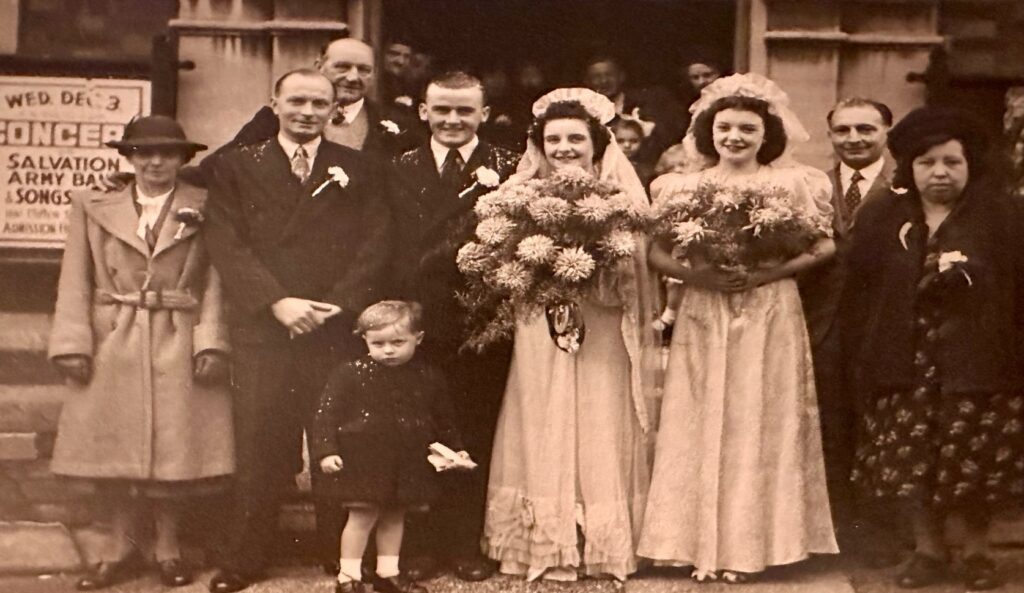
On December 20th 1947 Percy & Em attend Bill’s wedding to Barbara Richens in Swindon, Wiltshire
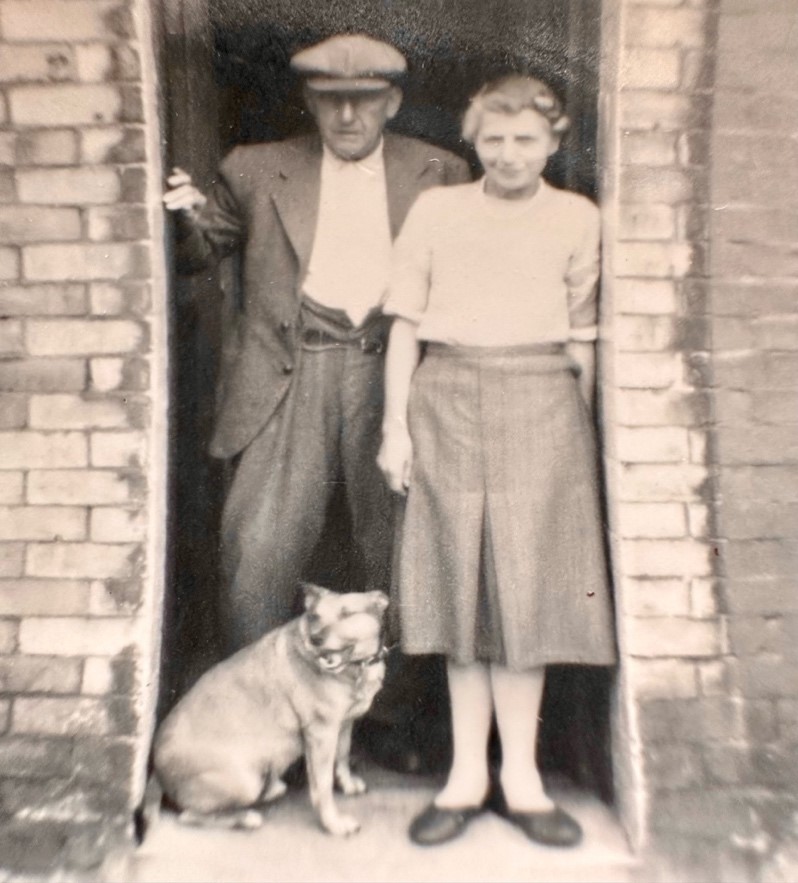
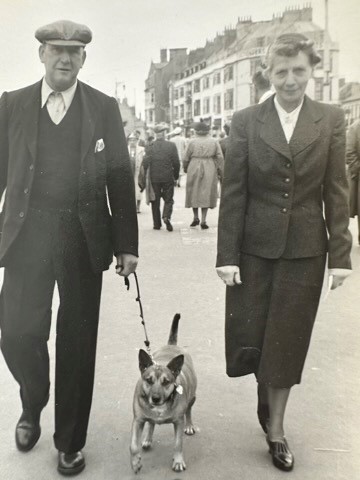
1950’s photos of Percy & Em.
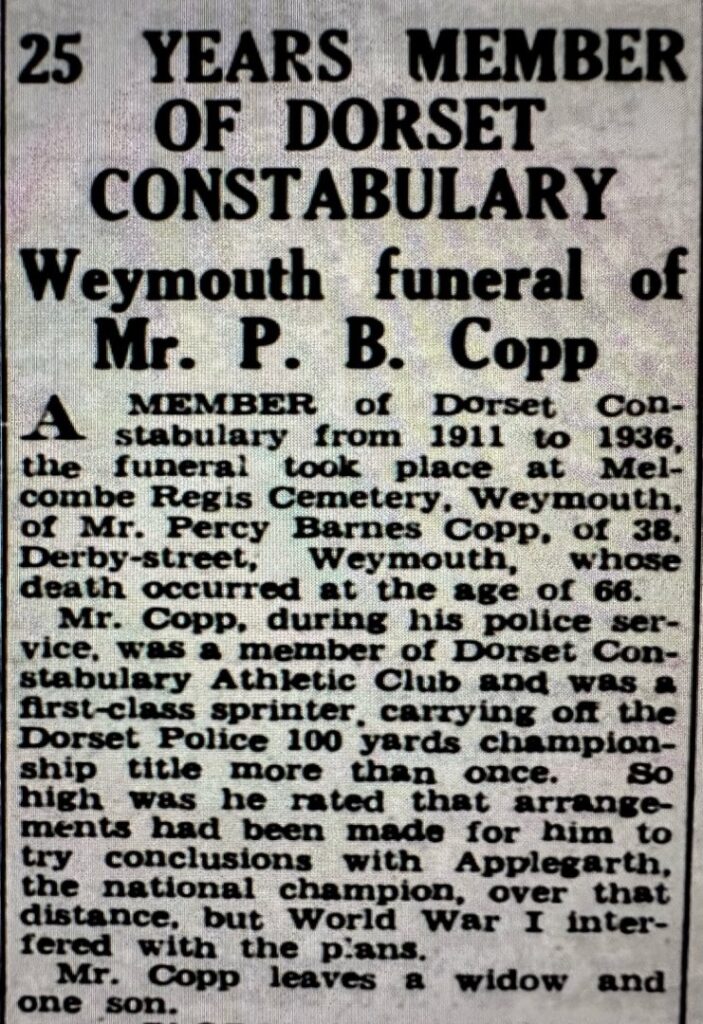
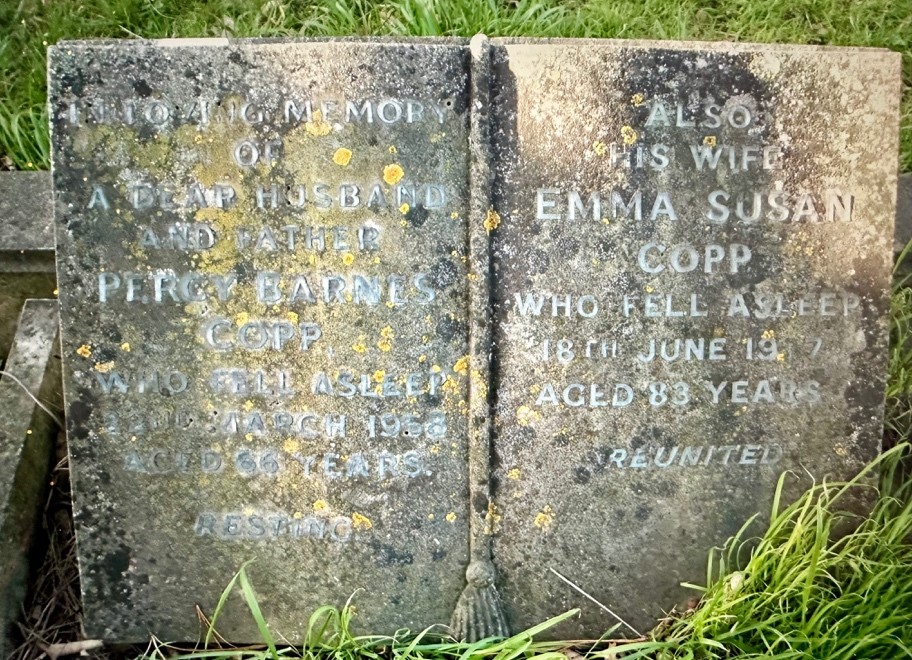
Percy Died on the 22nd of March 1958 – His obituary was reported in the Dorset Echo.
After Percy died Em remained in Weymouth until she died in June 1977. They are buried together in Melcombe Regis Cemetery, Weymouth.
On a personal note.
My goal with this story was to give readers an insight into my grandfather’s journey. My memories come from fireside tales at Em’s house, walkabouts in Weymouth, and outings to Portland Bill and Morecombelake. I had fun creating it, and hopefully you enjoyed it.
I wish to thank Ian Swatridge for his inspiration and endless help, the credit is his for the title “Not just a Cop”, his efforts on compiling and maintaining the Dorset Constabulary blog are exemplary.
I would also like to thank Joanna O’Donnell, Maddy Duke, Susan Johnson, and Christel Muncaster for the information they provided.
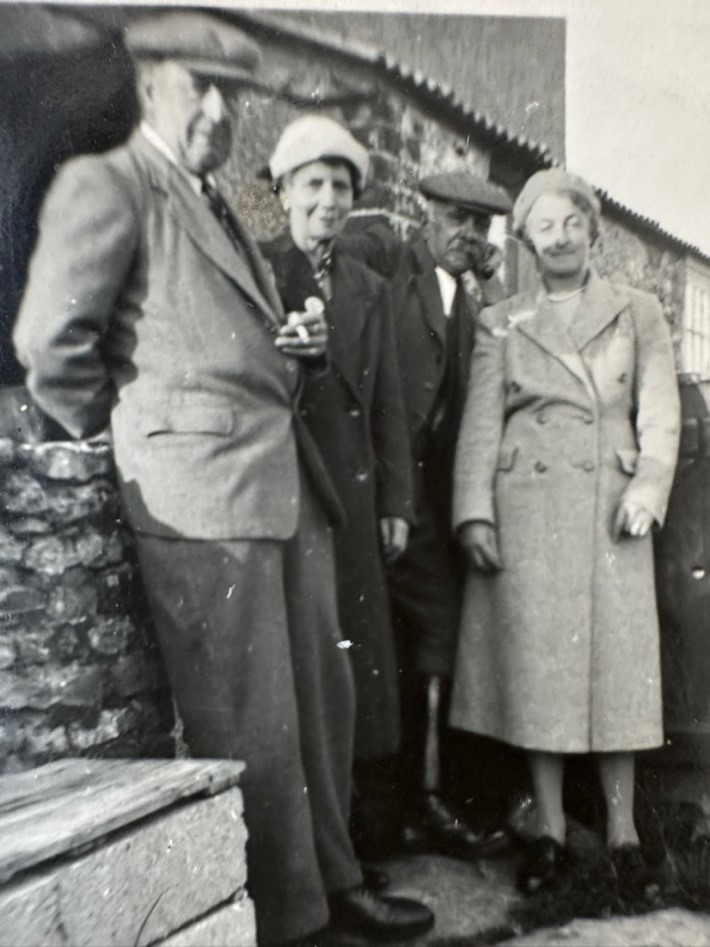
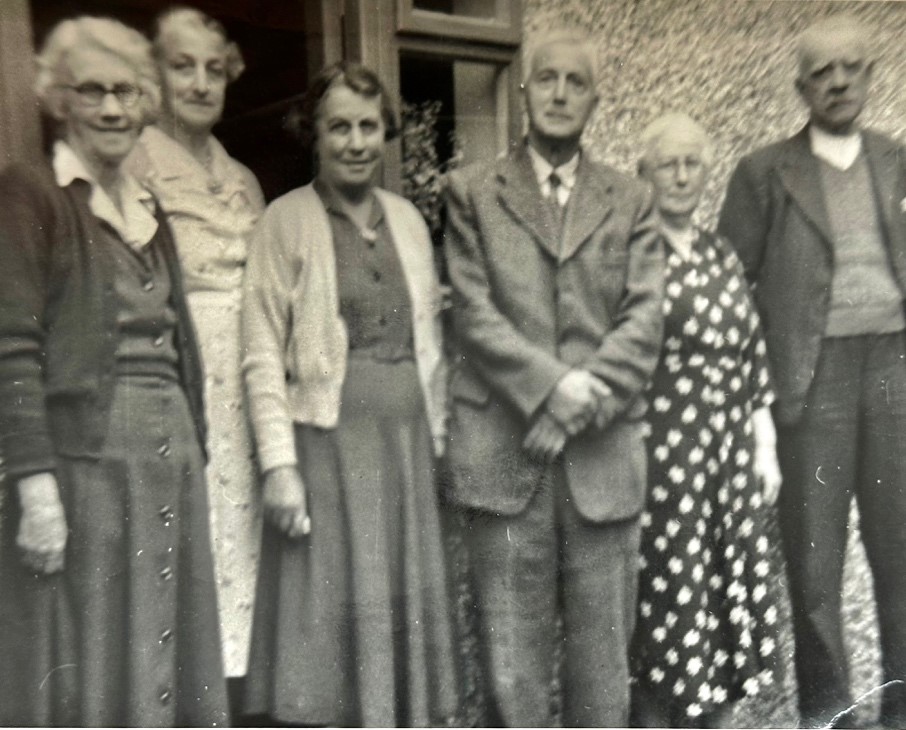
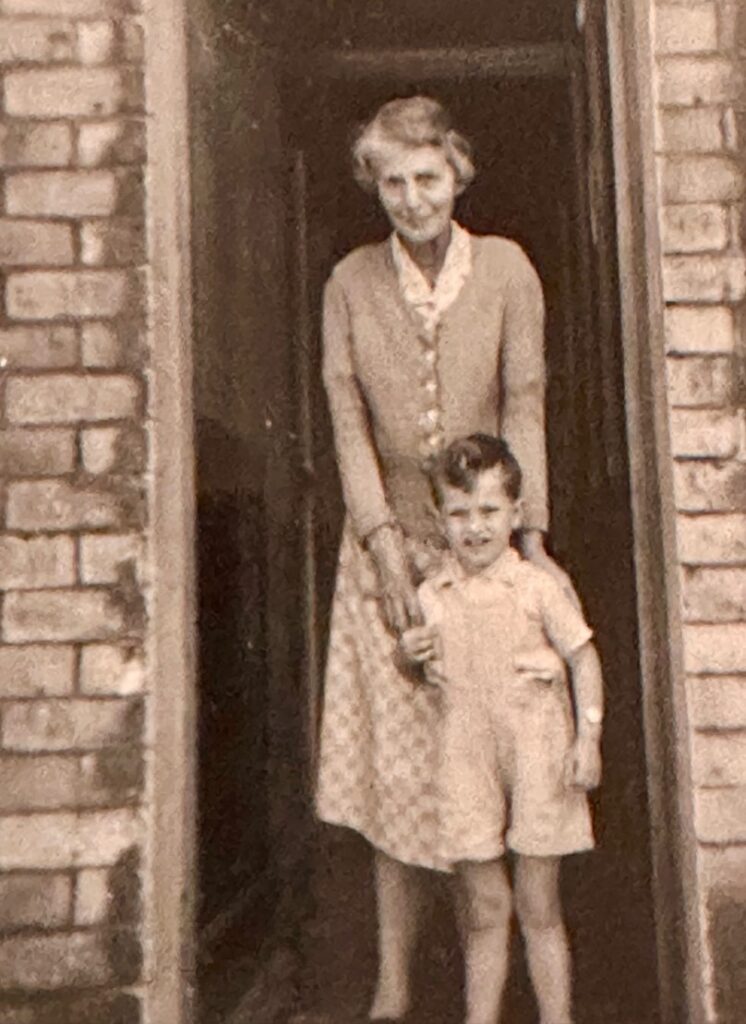
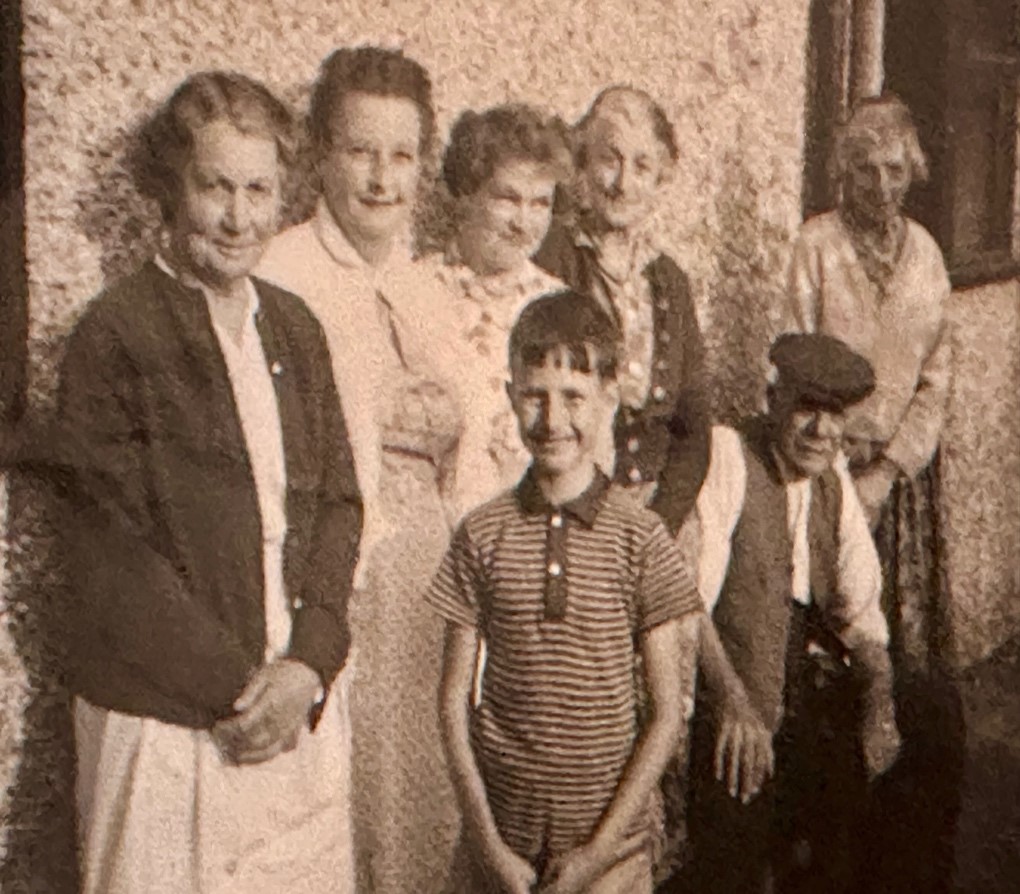
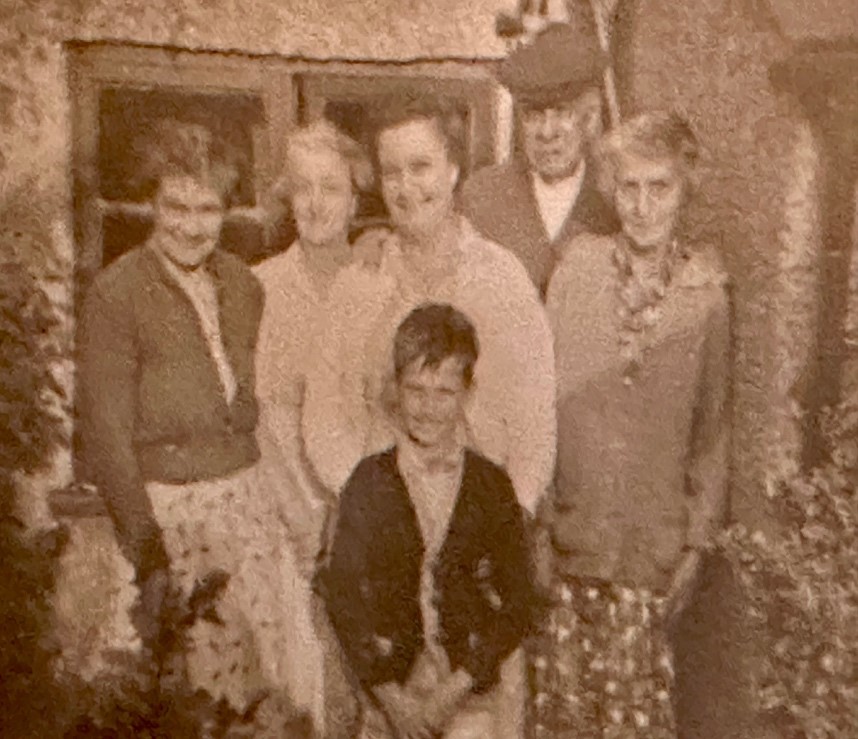
Here are some family photos from the 1960’s
1: Em’s Sisters Lil, May and Elsie, her brother and his wife, and May’s husband Ern Shute
The others are me with Em in Derby St, and Em’s family at Morecombelake
2 thoughts on “NOT JUST A COP”
Terry O’Sullivan
What a great tribute to your grandfather, some great research and a lovely story I really enjoyed reading.
swatridgeian
I am glad you enjoyed it Terry. John had so much information and so many great photos, I could only help him publish all he had. Do you have a link to the Constabulary? I will be publishing soon some other great tributes to officers and their service . IAN
What a great tribute to your grandfather, some great research and a lovely story I really enjoyed reading.
I am glad you enjoyed it Terry. John had so much information and so many great photos, I could only help him publish all he had. Do you have a link to the Constabulary? I will be publishing soon some other great tributes to officers and their service . IAN